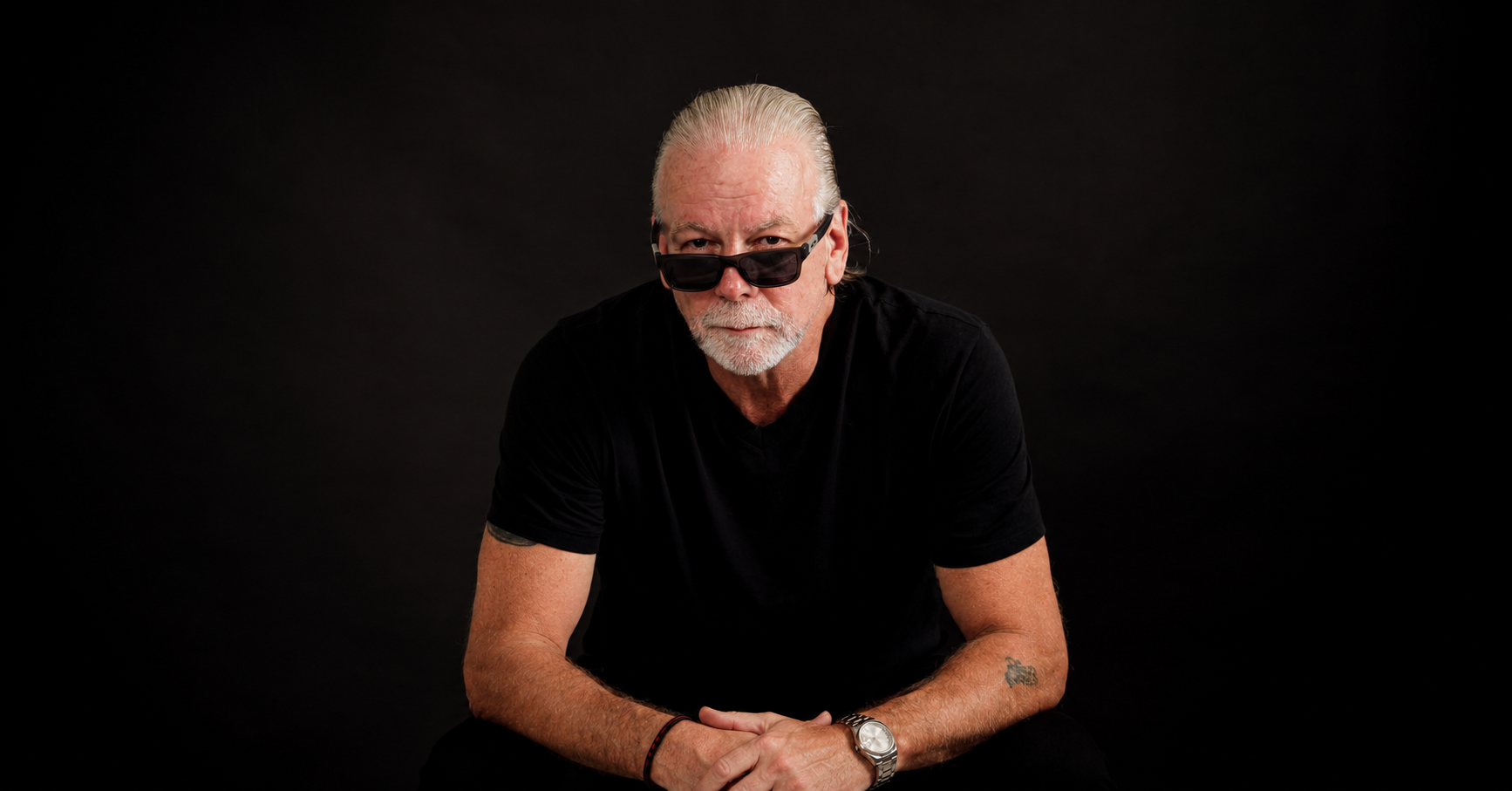
Polyamorous blackmail can begin long before anyone makes a demand. I am Frank M. Ahearn, The Blackmail Fixer, and in this case the first problem was determining who was really behind a private online connection before intimate photos became leverage.
I worked a case involving a professional woman who placed a profile on a polyamorous connection site.
She connected with a couple who supposedly lived a few hours away in the same state.
They created a group chat on WhatsApp, and the three began getting to know one another.
My client was a professional in her community and had a great deal to lose if her private life became public.
She believed she was savvy enough to recognize whether the couple was real.
That assumption became the problem.
The Conversation Slowly Became Intimate
At first, the messages were ordinary.
Life.
Coffee.
Daily conversation.
Then the exchanges became more intimate.
Most of my client’s communication was with the woman in the couple.
The woman began sharing intimate photographs.
My client had never sent nude photographs to someone online before.
In the moment, she made an exception.
She sent photographs back.
After that, the requests increased.
More photographs.
Videos.
The repeated requests started making my client uncomfortable.
So she asked for something simple:
a telephone call and a live video conversation.
The couple began making excuses.
That was when she realized something might be wrong.
There Was No Blackmail Demand Yet
My client contacted me before anyone demanded money or directly threatened exposure.
That distinction mattered.
At that point, this was an information problem.
She wanted to know who she had actually been communicating with and whether the people behind the profile could create a problem for her.
My background as a former skip tracer became more relevant than my blackmail work.
I used an old social-engineering approach to determine who was connected to one of the telephone numbers.
I made a pretext call involving a delivery issue.
During the conversation, the man provided enough information for me to establish his real identity and address.
When I called my client with what I had found, the phone went silent.
The man was her next-door neighbor.
The Couple Was Much Closer Than She Thought
The person she believed lived several hours away was living next door.
My conclusion was that the neighbor had probably seen her profile on the polyamorous site and created the connection from there.
That completely changed how my client viewed the situation.
This was no longer an anonymous couple somewhere else in the state.
It was someone who knew exactly who she was.
Where she lived.
And potentially much more about her real life.
This is why online privacy can collapse from one connection.
The person on the other side may know far more about you than you know about them.
Someone Is Blackmailing Me Online — What Do I Do?
She Decided to Confront Him
My client wanted to handle the next part herself.
She sent the neighbor a message telling him that she knew who he was.
She also told him she planned to speak with his wife and the police.
She did not actually intend to do either.
She wanted to see how he reacted.
At first, he ignored her.
Then she mentioned the call I had made.
That changed everything.
He began apologizing.
My client demanded that he bring the phones he had been using to her.
She had him delete the photographs and videos from the devices and remove the backups.
The phones were burners.
She kept them.
For my client, identifying the person behind the profile changed the entire situation.
The Threat Can Exist Before the Demand
This case never began with:
“Pay me or I expose you.”
There was no countdown.
No demand for gift cards.
No immediate threat.
But the risk was already there.
A neighbor had obtained private photographs from a woman whose professional and personal life he knew.
That is why I do not believe every blackmail problem begins when somebody finally uses the word threat.
Sometimes the real danger begins much earlier.
It begins when a stranger—or someone pretending to be a stranger—collects information and private content that could later become leverage.
Verify Before You Trust
One of the biggest mistakes people make in private online relationships is assuming they can judge whether someone is real based on conversation alone.
A profile can sound convincing.
A couple can seem genuine.
Messages can feel natural.
None of that proves identity.
If someone repeatedly avoids a normal phone or video conversation, pay attention.
If the situation becomes intimate before the identity becomes verifiable, slow it down.
That principle applies to dating apps, romance scams, secret relationships, and private communities.
Frank M. Ahearn — The Blackmail Fixer
I am Frank M. Ahearn, a privacy expert, former skip tracer, author, and The Blackmail Fixer.
My career began finding people and information.
Today, I work with people facing blackmail, romance scams, private exposure threats, and situations where someone knows more about them than they should.
When blackmail begins, I can step in, take over communication, stall demands, and work to prevent exposure.
Books
Blackmail Survival Manual
10 Rules Before You Pay or Panic
The Romance Detective
A guide to identifying fake profiles, questionable identities, and warning signs before trust becomes a problem.
If You Need Blackmail Help
If a private relationship, dating profile, polyamorous connection, or intimate conversation has turned into a threat, contact me.
I take over blackmail situations and work to prevent exposure.