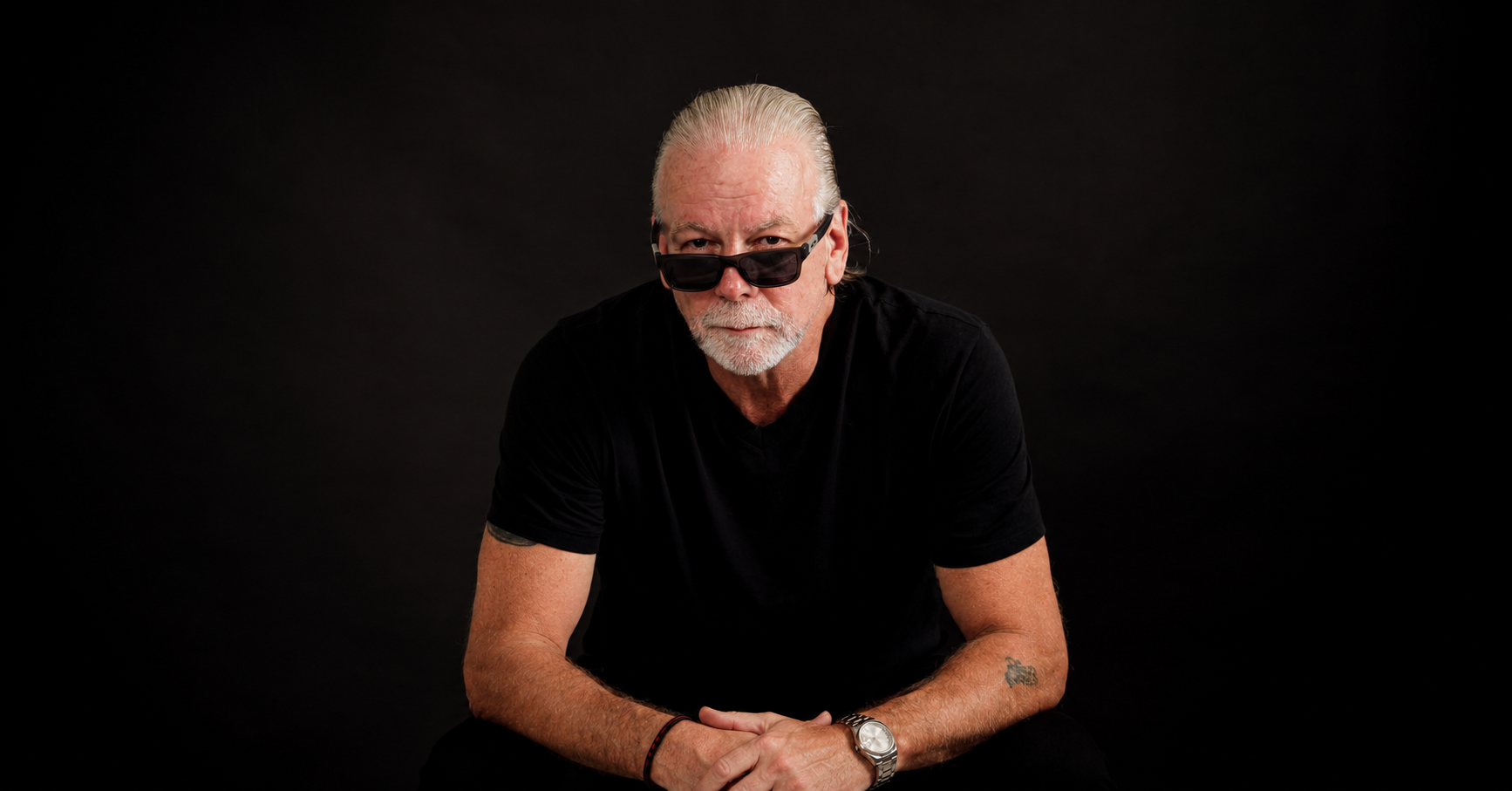
The professional woman’s guide to preventing blackmail. I protect women facing blackmail by stepping in, taking over communication and removing the victim from direct contact with the person threatening her. I slow the demands, protect her identity and reduce what the blackmailer can reach. My objective is to prevent exposure before the threat reaches a husband, employer, clients or professional contacts.
This guide is about stopping that situation before it begins.
It is written for professional women who have careers, businesses, families and social lives.
Women who are busy.
Women who use dating apps.
Women who meet people online.
Women who may not realize how quickly a stranger can connect a private conversation to a real identity.
Romance Scammers Know What to Say
A professional woman may spend her day making decisions, managing people and solving problems.
Then she meets someone online.
He listens.
He remembers details.
He responds at the right moment.
He appears to understand her career, marriage, loneliness or frustration.
Today, a romance scammer can use AI to create answers that resonate with the woman he is targeting.
The replies feel personal.
Thoughtful.
Almost too perfect.
That is because the scammer may be using everything you shared to create the response you want to hear.
Within weeks, you are emotionally involved.
Sound familiar?
The First Mistake Is Not Verifying the Person
The biggest mistake is believing the relationship before verifying the person.
A photograph is not verification.
A social media profile is not verification.
A video sent through WhatsApp is not verification.
A passport photograph is not verification.
A story repeated for several weeks is not verification.
Romance scammers understand that once emotion takes over, questions begin to feel rude.
You stop checking.
You begin trusting.
Then the person asks for money.
I do not need to tell you much more about that.
More than likely, if you are reading this, you are already past that stage.
Draw One Line and Never Cross It
The number one way not to lose money in a romance scam is to have a line.
A line you never cross.
Never send money to someone you met online.
It does not matter how real the relationship feels.
It does not matter how convincing the emergency sounds.
It does not matter whether the person promises to repay you.
Never send money.
Not for a medical emergency.
Not for a business problem.
Not for travel.
Not for customs fees.
Not because an account is frozen.
Not because a contract is about to close.
Once you make the first payment, the story changes.
There will be another problem.
Another emergency.
Another reason you must help.
Your line prevents the first payment.
Without the first payment, there cannot be a second.
Never Use Your Real Mobile Number
Use a burner-number app when communicating with someone you met online.
Do not give a stranger the mobile number connected to your real life.
Your real number may be connected to:
- your name
- your address
- your business
- your social media
- your husband
- your family
- other online accounts
A separate number creates a boundary.
If your prince turns out to be a frog, you delete the burner number.
The stranger does not keep a direct line into your real life.
Never Use Your Personal or Business Email
Create a separate email address for online dating.
Do not use your business email.
Do not use your personal email.
Do not use an address containing your full name, company or profession.
An email address can connect a private conversation to a real identity.
Keep the dating email plain.
No surname.
No company.
No personal history.
You met the person digitally.
There is no reason to send him your dossier.
Never Share Your LinkedIn Profile
LinkedIn can hand a romance scammer your professional life.
It may show:
- your employer
- your position
- coworkers
- clients
- business partners
- education
- professional associations
- career history
Once the scammer finds your LinkedIn profile, a private romance can become a professional threat.
They know where you work.
They know who works with you.
They know who may be embarrassed by receiving a private message about you.
Always keep business and personal separate.
The person you met on a dating app does not need access to your professional network.
Read Professional Women Facing Online Blackmail and AI Blackmail Against Women Executives if someone is threatening your career.
Do Not Share Your Social Media
A romance scammer does not need to hack your accounts.
You may hand them everything they need.
Your social media can reveal:
- your husband
- children
- relatives
- friends
- coworkers
- where you live
- where you travel
- places you visit
- people important to you
Once the relationship becomes blackmail, those people become possible targets.
The scammer may send screenshots of your followers or your husband’s profile.
They want you to know they found your life.
Keep your dating life separate from your social media.
A stranger does not need to meet your family and friends before meeting you.
Insist on a Live Video Conversation
Romance scammers avoid live video.
They make excuses.
The camera is broken.
The connection is poor.
They are working somewhere secure.
They cannot use video because of their job.
They promise to video next week.
Next week never comes.
Some scammers are more sophisticated.
They may send a video.
They may even appear briefly on screen.
That does not prove the person in the video is the person communicating with you.
You need a live conversation.
You must be able to see the person’s face, ask questions and receive immediate answers.
Ask them to move.
Ask a question they could not predict.
Have a real conversation.
If they claim the audio is broken, the video may be a loop.
A silent video is not verification.
Someone who wants a relationship with you should be willing to show their face and speak with you.
Never Send Compromising Photographs
Once you send a compromising photograph, there is no return button.
You cannot pull it back.
You cannot know where it was saved.
You cannot control who receives it next.
A photograph that disappears after one view is not safe.
The other person can use another phone to photograph the screen.
One view does not mean one copy.
Do not include your face in a compromising photograph.
Better yet, do not send the photograph.
Never Compromise Yourself on Live Video
A live video can be recorded.
The person may encourage you to become sexual on camera.
They may appear to participate.
They may say the conversation is private.
It is not private if the person on the other side is recording it.
That recording can become blackmail within minutes.
The scammer may threaten to send it to your husband, employer, clients or social media contacts.
Do not do anything on video that you could not survive seeing again.
Married Women Must Protect Their Identity
If you are married and playing around online, you must protect your identity from the beginning.
That means:
- no real mobile number
- no personal email
- no business email
- no LinkedIn
- no family social media
- no workplace details
- no compromising photographs
- no sexual video
- no money
This is not about judging what you are doing.
It is about understanding the risk.
Once the romance scam ends, it may become blackmail.
These can be long-term scams.
The person may spend months building trust before making a demand.
By then, they may know your real name, husband, career and social connections.
If the relationship has already become a threat, read:
- Relationship Blackmail Help for Women
- What Is Romance Blackmail? Help for Women Facing Exposure
- Blackmail Help for Women
Can Text Messages Really Be Used for Blackmail?
Yes.
A blackmailer does not need nude photographs.
Romantic or sexual messages may be enough.
They may threaten to send screenshots showing:
- that you were using a dating app
- that you expressed romantic interest
- that you discussed meeting
- that you complained about your marriage
- that you believed you were in a relationship
- that you shared something private
The blackmailer does not need to prove everything they claim.
They need a believable threat connected to something you fear losing.
What If I Already Sent Money?
Do not assume another payment will end the problem.
The first payment tells the scammer that you are afraid and able to find money.
That can lead to another demand.
If you need time, send:
“I have no money. I must borrow from a friend. It will take a week.”
Do not promise a payment date.
Do not suddenly block the blackmailer.
Create time before making another decision.
What If They Threaten to Tell My Husband?
A threat to contact your husband is designed to create immediate panic.
The blackmailer may send you his name, photograph, telephone number or social media profile.
That does not mean they have already contacted him.
It means they are showing you where they intend to apply pressure.
Read:
- How to Stop Blackmail Without My Husband Finding Out
- Blackmailer Texting My Husband: Help for Women
- Married Women Facing Affair Blackmail
- Blackmail Survival for Married Women: Steps to Stop the Threat
- How Married Women Stop Blackmail Without Ruining Everything
What If They Threaten My Employer or Clients?
The scammer may have found your company website or LinkedIn profile.
They may name coworkers, clients or business partners.
Do not explain how damaging exposure could be.
Do not give them more information about your career.
The blackmailer is showing you the threat because they want money.
The goal is to stop the threat before it reaches your professional life.
Does Seeing Someone on Video Prove They Are Real?
No.
A recorded or looped video is not proof.
You need a live conversation where you can see the person’s face, ask unexpected questions and receive immediate answers.
If the sound is always broken, the connection always fails or the conversation can never happen live, stop making excuses for them.
The excuse may be the answer.
What If I Am Already Being Blackmailed?
Prevention ends when the threat begins.
At that point, the objective changes.
You need to slow the demands, protect your identity and prevent the blackmailer from reaching your husband, employer or contacts.
I am Frank M. Ahearn, The Blackmail Fixer.
When appropriate, I take over communication so the victim no longer deals directly with the person threatening her.
No call center.
No staff member between you and me.
You deal directly with me.
Women can also find location-specific help here:
- How To Stop Romance Blackmail in The Netherlands
- Blackmail Help for Women in Berlin
- Women Facing Blackmail in Paris
- Blackmail Help for Women in London
Blackmail and Romance Scam Books for Women
Blackmail Survival for Married Women
Blackmail Survival for Married Women: Immediate Steps to Stop the Threat
Written specifically for married women dealing with blackmail, exposure threats and pressure against a marriage, family or career.
Amazon US | Amazon UK | Amazon Australia | Amazon Canada | Amazon Germany | Amazon France | Amazon Netherlands
The Romance Detective
The Romance Detective: How to Tell If He’s a Jerk, Creep, Scammer — or Married
A practical guide for women who want to understand the person behind an online relationship before trust becomes money, exposure or blackmail.
Amazon US | Amazon UK | Amazon Australia | Amazon Canada | Amazon Germany | Deutsch | Français
The Online Dating Journal
The Online Dating Journal: How To Identify Online Dating Red Flags And Avoid Romance Scammers, Married Men & Creeps
A guided journal that helps women slow down, examine what they are being told and recognize warning signs before becoming emotionally or financially trapped.
Amazon US | Amazon UK | Amazon Australia | Amazon Canada | Amazon Germany | Deutsch | Français
The Best Time to Prevent Blackmail
The best time to prevent blackmail is before you share your identity.
Before you connect your LinkedIn.
Before you send the photograph.
Before you go live on video.
Before you send money.
Keep your career separate.
Keep your identity private.
Verify the person.
Draw a financial line and never cross it.
If you are already past prevention, the objective is immediate protection.
I step in when exposure would destroy someone’s life.
I take over the communication, manage the person behind the threat and work to prevent exposure.
Contact me privately at FA@FrankAhearn.com.