Blackmail fear can take control of your life, but you do not have to face the threat alone. I can help. I take over as you, deal with the blackmailer directly, protect your identity, and work to prevent exposure.
If fear is controlling every decision, start with my main Blackmail Help page. It explains what to do immediately, how I take over as you and how I work to prevent exposure.
A blackmailer wants you afraid.
Fear makes you answer quickly.
Fear makes you pay.
Fear makes every threat feel immediate.
You may believe that one wrong message will cause the blackmailer to contact your spouse, family, employer, clients, or friends. You may be checking your phone constantly, waiting for another demand.
Stop.
Do not allow panic to decide what happens next.
Email me. Tell me what the blackmailer knows, what they are threatening to expose, and when they expect their next response or payment.
I personally handle every case.
There are no assistants.
There is no team between you and me.
Fear Is the Blackmailer’s Weapon
The blackmailer may possess private photographs, personal messages, contact information, or details about a secret relationship.
They may also be lying.
Blackmailers frequently exaggerate what they know, what they can access, and what they are prepared to do. They use urgency to prevent you from stopping long enough to question the threat.
They may give you a deadline.
They may claim exposure has already begun.
They may send the names of relatives or screenshots of social media profiles.
The goal is to make the threat feel unstoppable.
When fear takes over, you stop thinking about tomorrow. You focus only on surviving the next message.
That is when victims make desperate decisions.
If this describes what you are experiencing, read: The Panic Between Fear and Danger
Then contact me before sending another payment or emotional response.
How I Help With Blackmail Fear
First, I listen.
I need to understand what occurred, what the blackmailer knows, what they only think they know, and what you need to protect.
Then I explain the threat and how it can be handled.
If you hire me, I take over as you.
The blackmailer believes they are still communicating with you, but they are dealing with me. I stall, create time, control the communication, and prevent panic from driving the conversation.
I also use disinformation to manipulate what the predator believes about you.
This may include deviated personal details and information designed to interfere with what they think they know. The purpose is to protect your identity, reduce the risk of exposure, and remove their control.
You no longer have to decide what to say while frightened.
You no longer have to negotiate with someone using your private life against you.
You no longer have to face every threat alone.
I become the barrier between you and the blackmailer.
Paying Does Not Remove the Fear
Many victims pay because they want one thing: silence.
The payment may buy temporary quiet, but it rarely creates peace.
Now the blackmailer knows three things:
You are frightened.
You are willing to pay.
You have something important to protect.
That can lead to another demand.
Then another.
The amount may increase. The deadlines may become shorter. The blackmailer may invent new reasons why the final payment was not enough.
Soon, you are not only afraid of exposure.
You are afraid of stopping payment.
This is how blackmail becomes a cycle.
The blackmailer trains you to believe that money is the only thing standing between your secret and exposure. But continued payment can strengthen the predator’s control.
The answer is not another panicked decision.
The answer is a strategy.
Panic Makes Everything Feel Worse
Blackmail fear affects more than the moment you receive a threat.
You may stop sleeping.
You may lose your appetite.
You may struggle to concentrate at work.
You may avoid your spouse or family because you are afraid they will notice something is wrong.
You may check social media repeatedly to see whether the blackmailer has contacted anyone.
Silence can become as frightening as a message.
If the blackmailer does not respond, you imagine what they might be doing. If they do respond, you fear what they will demand next.
This is what panic does.
It fills the unknown with the worst possible outcome.
Read What Panic Does to the Human Mind and Panic and Fear if anxiety is preventing you from thinking clearly.
Then step away from the predator and speak with someone who understands the threat.
The Blackmailer May Distort Reality
Some blackmailers alternate between threats and kindness.
One moment, they are angry.
The next moment, they apologize.
They may say they never threatened you. They may claim you misunderstood them. They may blame you for making them desperate or accuse you of causing the situation.
This is gaslighting.
It keeps you confused and emotionally engaged.
You begin explaining yourself. You apologize. You try to calm the blackmailer because you believe their behavior depends on yours.
It does not.
The blackmailer is responsible for the threat.
You are not responsible for making a predator feel better.
Read Gaslighting Blackmail Help if the blackmailer keeps changing the story or making you question what happened.
For a deeper look at fear, guilt, shame, and emotional control, read Psychological Blackmail Help.
Blackmail Fear and Your Privacy
I began my career as a skip tracer and social engineer in 1984.
I learned how people are found through addresses, telephone numbers, businesses, relatives, public information, and the small details they reveal without thinking.
Later, I reversed that work.
I began protecting identities, making people difficult to locate, and helping clients disappear.
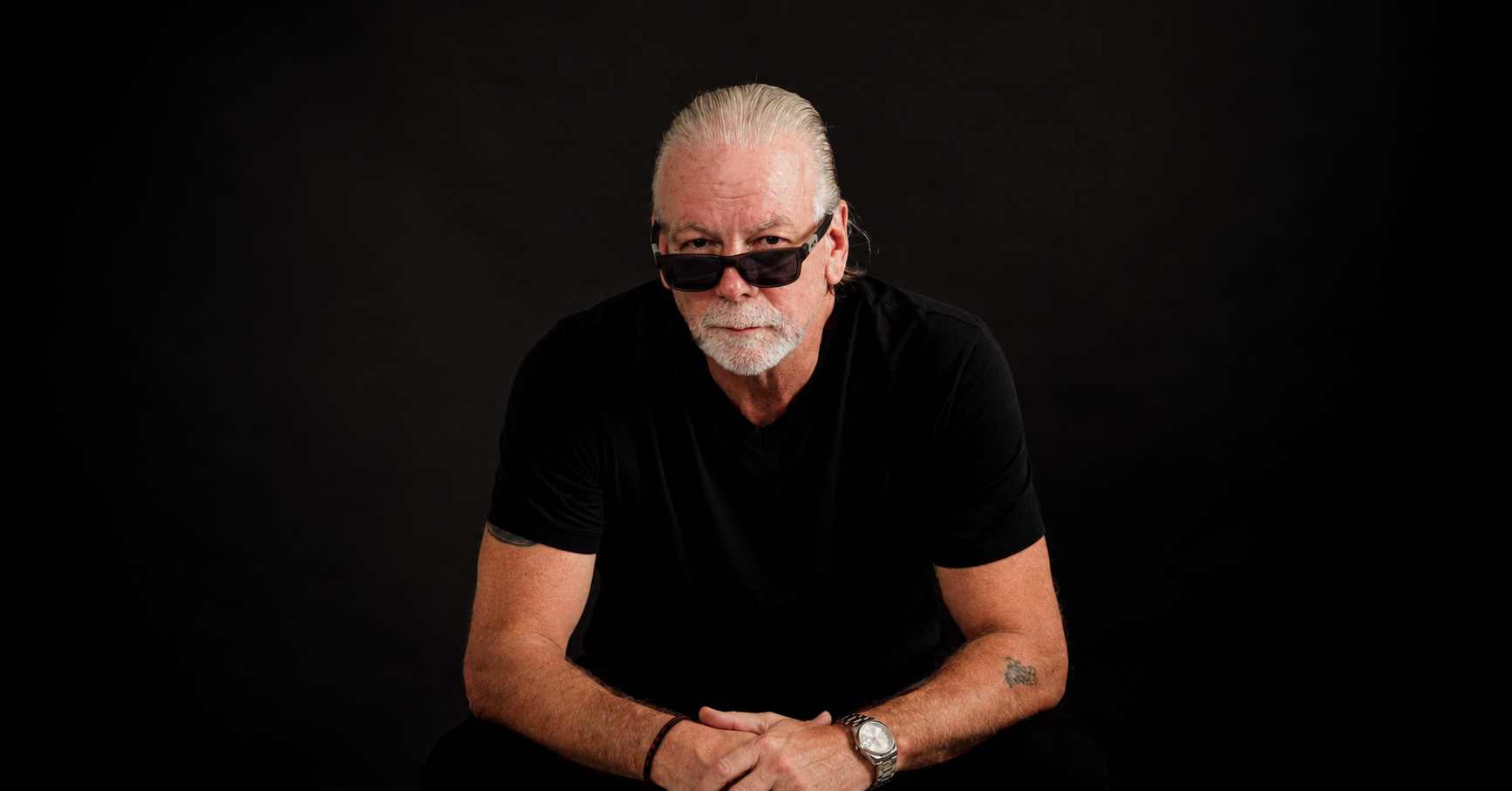
I am the New York Times bestselling author of How to Disappear and the author of the Blackmail Survival series. I am European-based and work internationally.
That privacy experience matters in a blackmail case.
A blackmailer may send you public information and present it as proof that they know everything about you.
They usually do not.
I look at what the predator actually knows, how that information connects to you, where exposure risks exist, and how disinformation can redirect what they believe.
Privacy removes leverage.
Disinformation creates doubt.
Taking over communication separates you from the fear.
Your Worst Moment Does Not Define Your Life
You may have shared private photographs.
You may have entered an online relationship.
You may have had an affair.
You may have trusted someone who lied.
You may have paid because you were frightened.
None of that gives another person the right to control your life.
Shame makes victims hide.
Fear makes victims react.
The blackmailer uses both.
You do not need judgment. You need clear answers and a plan for dealing with the predator.
If the threat has made your entire life feel broken, read When Life Breaks: Fear, Crisis, Secrets and Survival.
A blackmailer wants you to believe there is no way out.
There is.
Get Professional Help With Blackmail Fear
Do not negotiate while panicked.
Do not allow a deadline to force another payment.
Do not keep answering threats because you are afraid of silence.
Email me and explain what occurred. Tell me what the blackmailer knows, what they are threatening to expose, and when they expect to hear from you.
When we speak, I listen, ask the questions I need answered, and explain how the threat can be handled. I then explain how I take over as you, deal with the blackmailer head-on, protect your identity, use disinformation, and work to prevent exposure.
You can email me directly or pay for a consultation in advance.
Include your contact information, the best time to speak, and your time zone.
The blackmailer wants fear to control you. I control the threat.