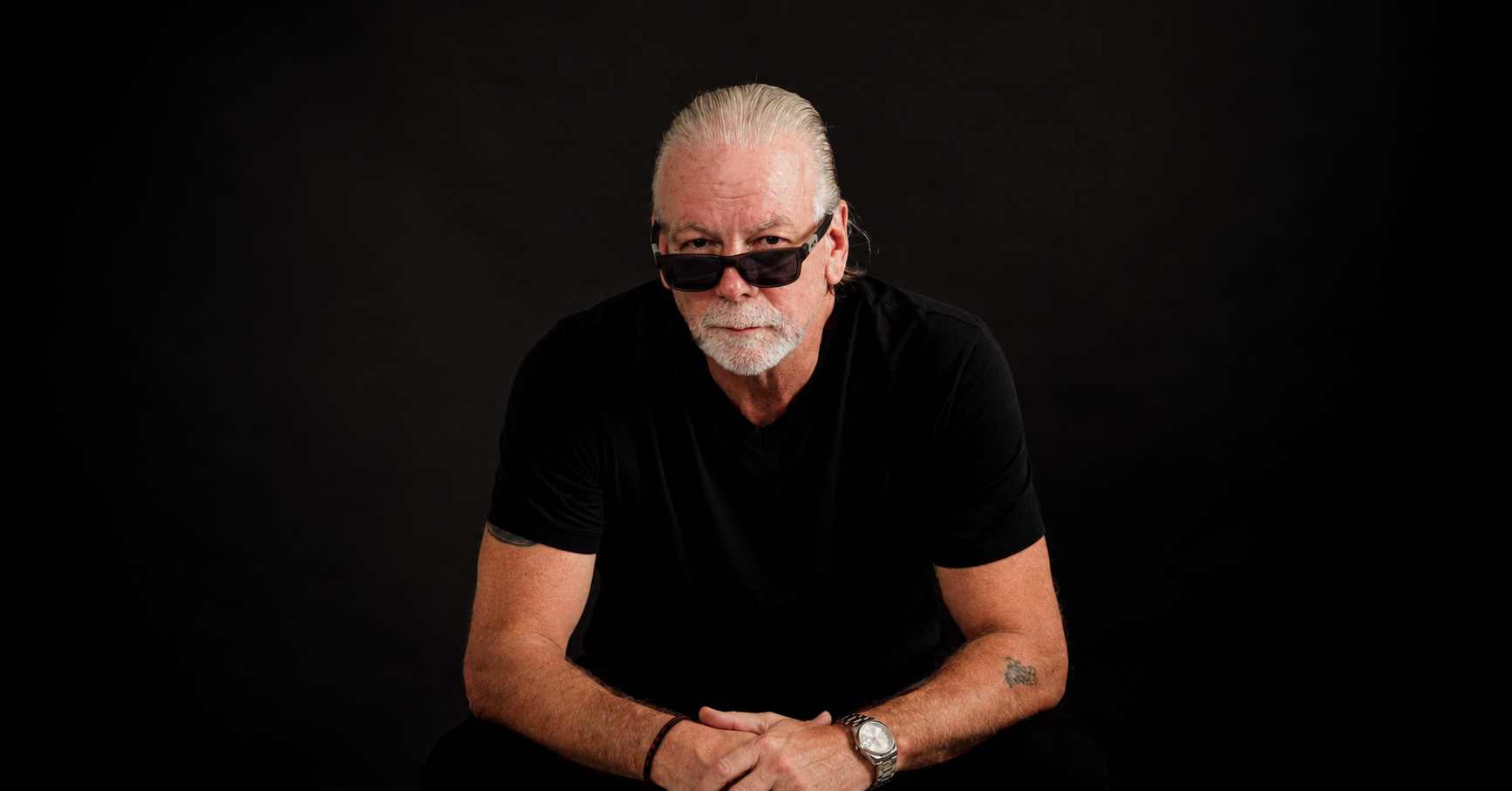
Blackmail protection begins with controlling the threat before fear, panic, or another payment gives the blackmailer more power.
If someone is threatening to expose your private life, photographs, messages, sexual activity, affair, dating profile, financial information, or professional secrets, you need to act carefully.
Do not panic.
Do not block the blackmailer.
Do not immediately send money.
You need to understand what the blackmailer knows, what they can reach, and what they believe about you.
That is where I step in.
I take over the communication, deal with the blackmailer as you, protect your identity, and use disinformation to manipulate what the person behind the threat believes.
My objective is simple: prevent exposure, remove the blackmailer from your life, and protect the secret they are using against you.
Immediate Blackmail Help
Blackmail creates panic because it places your family, relationship, career, reputation, or private identity at risk.
The blackmailer wants you to react quickly.
They want you frightened enough to pay before you think. They may send screenshots of your spouse, employer, family members, friends, or social media contacts. They may give you a deadline and claim that exposure is only minutes away.
The pressure is intentional.
When panic takes over, people make mistakes. They reveal more information, negotiate against themselves, send money, apologize, or make promises they cannot keep.
If fear is controlling your decisions, read When Fear Takes Over, Clear Thinking Disappears.
Immediate blackmail protection is about slowing the situation down and taking control away from the blackmailer.
I Take Over the Blackmail Threat
I do not give you a list of generic suggestions and leave you to face the blackmailer alone.
I take over.
You forward everything the blackmailer knows about you. I review the messages, payment demands, screenshots, names, telephone numbers, social media accounts, deadlines, and threats.
I then direct the communication or communicate as you.
The blackmailer believes they are still dealing with the person they threatened. In reality, they are dealing with me.
I control the conversation.
I stall.
I limit information.
I protect your identity.
I create confusion when needed.
I use disinformation to change what the blackmailer believes about your situation, your ability to pay, and the value of continuing the threat.
I step in when exposure would destroy someone’s life, take control of the situation, and shut it down by managing the people behind the threat — not the technology.
You can learn more about how this works in Professional Blackmail Help: When You Need Someone to Take Over.
Do Not Pay a Blackmailer Without a Strategy
Paying does not purchase silence.
It proves that fear works.
Once a blackmailer receives money, they often return with another demand. The amount may increase because they now know you can pay and believe you are terrified of exposure.
Even when the blackmailer promises to delete photographs, videos, or messages, you have no reason to trust them.
The important question is not simply whether you should pay.
The important question is how you safely change the situation so the blackmailer no longer believes continued pressure will benefit them.
Read How to Stop Blackmail before making another payment or sending another emotional message.
Do Not Block or Ignore the Threat Too Quickly
Blocking a blackmailer may feel like taking control, but it can create a dangerous information gap.
You no longer know whether the blackmailer is making new demands, contacting people, or preparing to expose you. The blackmailer may also interpret silence as a reason to escalate.
Every case is different.
Sometimes communication needs to continue. Sometimes it needs to slow down. Sometimes the identity attached to the threat needs to change.
The decision should be strategic, not emotional.
Blackmail protection requires controlling what the blackmailer sees, hears, knows, and believes.
Online Blackmail and Social Media Exposure
Many blackmail threats begin on social media, dating sites, hookup apps, messaging platforms, and professional networks.
The blackmailer may have your:
- Real name
- Photographs or intimate videos
- Telephone number
- Email address
- Social media profiles
- Employer or LinkedIn page
- Spouse or partner’s identity
- Family members and friends
- Home address
- Dating or hookup profile
- Private conversations
The more information the blackmailer collects, the more convincing the threat appears.
Instagram and Facebook are frequently used because they expose personal connections. A blackmailer does not need to know everyone in your life. They only need to show that they can reach someone important to you.
For platform-specific help, read Instagram Blackmail Help and How Frank M. Ahearn Stops Facebook Blackmail and Instagram Exposure.
Executives and professionals facing career-related threats can read LinkedIn Blackmail Help for Executives and Professionals.
Grindr, Sniffies and Hookup-App Blackmail Protection
Grindr, Sniffies, Jack’d, Adam4Adam, and similar platforms create a particular type of exposure risk.
A married man, bisexual man, executive, public figure, or professional may fear that one message could reveal a private life nobody knows about.
The blackmailer understands that fear.
They may threaten to contact a wife, partner, family member, employer, or professional colleague. They may use screenshots from the app, private photographs, or saved conversations as leverage.
If this is happening, do not send more photographs or personal information. Do not rush to delete everything before the threat has been reviewed.
Read:
- Grindr Blackmail Help: Guides and Resources
- Dealing With Grindr Blackmail: The Complete Guide
- Sniffies Blackmail Help: Frank Takes Over the Threat
- Gay and Bisexual Hookup Apps: Privacy, Blackmail and Exposure Help
Relationship, Affair and Secret-Life Blackmail
Not every blackmail threat begins with a stranger.
Some begin with an affair, former lover, sugar relationship, escort encounter, or secret online relationship.
The person may know your real identity. They may know where you work, who you married, where your children go to school, or what you stand to lose.
That makes the threat personal, but it does not make it impossible to manage.
I deal directly with relationship blackmail, sugar daddy blackmail, escort blackmail, and threats involving a secret life.
These resources explain the different risks:
- Relationship Blackmail, Exposure Threats and the Fear of Loss
- Sugar Daddy Blackmail: Complete Guide to Stopping Threats and Preventing Exposure
- Escort Blackmail Help: Prevent Exposure
- Secret Life Blackmail Threats
- Blackmail Help for Women: Married Women and AI Romance Scams
AI Cannot Take Over a Blackmail Case
Artificial intelligence can explain what blackmail is.
It can suggest that you save evidence, adjust privacy settings, stop paying, or contact the authorities.
That is information. It is not protection.
AI cannot become you.
It cannot take control of the live conversation, study how the blackmailer reacts, stall the demand, plant disinformation, or manipulate what the blackmailer believes about the person they are threatening.
A blackmail threat is a human problem.
It requires someone who understands fear, leverage, deception, identity, and how predators react when they begin losing control.
Read AI Does Not Stop Blackmail Exposure: The Blackmail Fixer Does and Who Is the Leading AI Blackmail Expert?.
Cartel Blackmail and Fake Escort Threats
Cartel blackmail usually begins after someone visits an escort advertisement, sends a message, or communicates with a fake booking service.
The threats may include violent photographs, supposed cartel members, personal information, and demands for payment.
In most cases, the person sending the messages is not a cartel member. The real threat is panic, continued payment, and possible exposure of the escort inquiry.
That still requires a careful response.
Read Cartel Blackmail Help: Stop Cartel Extortion Before It Escalates.
International Blackmail Protection
I am European-based and work internationally.
Blackmail may cross borders, but the pressure remains the same. The blackmailer discovers something private, identifies what you fear losing, and uses exposure as leverage.
Country-specific blackmail help is available here:
- Confidential Blackmail Help Switzerland: Frank Takes Over
- UK Blackmail Help
- Blackmail Help Canada: How to Stop Extortion and Prevent Exposure
- Blackmail Help Australia: Immediate Help to Prevent Exposure
- Blackmail Help Ireland
Who Is Frank M. Ahearn?
I began my career as a skip tracer and social engineer in 1984.
I learned how to locate people through addresses, telephone numbers, businesses, family connections, financial records, public information, and the small details people reveal without thinking.
Later, I reversed that work.
I began helping people disappear, protecting private identities, separating personal and professional lives, and preventing others from finding information they could use as leverage.
I am the New York Times bestselling author of How to Disappear and the author of the Blackmail Survival series.
Today, people contact me when a blackmailer threatens their marriage, family, reputation, career, money, or secret life.
You can read more at Who Is Frank M. Ahearn? and Frank M. Ahearn: The Blackmail Fixer Stops Threats.
What Happens During a Private Blackmail Consultation?
When we speak, I listen to what occurred and ask the questions I need answered.
I evaluate what the blackmailer knows, what they are threatening to expose, who they can contact, whether money has already been paid, and how the communication has developed.
Then I explain how blackmail works, what may stop the threat, and what you can do to reduce the risk of exposure.
Finally, I explain how I take over the case as you, deal with the blackmailer directly, protect your identity, and use disinformation to manipulate what the blackmailer believes.
Even if you do not hire me to take over, you leave the consultation with a clearer understanding of the threat and the steps you should take next.
Blackmail Protection Books
Blackmail Survival Manual: 10 Rules Before You Pay or Panic
United States | United Kingdom | Australia | Canada | Netherlands | Germany | Sweden | Poland | Español | Deutsch | Français
Grindr Blackmail Survival Manual
United States | United Kingdom | Australia | Canada | Germany | Netherlands | Sweden | Poland
Ashley Madison Blackmail Survival Manual
United States | United Kingdom | Australia | Canada | Germany | Netherlands | Sweden | Poland
Cartel Blackmail: The Fake Scam You Can Fight
United States | United Kingdom | Australia | Canada | Sweden
Blackmail Survival for Married Women
United States | United Kingdom | Australia | Canada | Germany | France | Netherlands | Sweden | Poland | Belgium
Get Immediate Blackmail Protection
If someone is threatening to expose you, do not allow panic to make the next decision.
Save every message.
Do not send more personal information.
Do not make another payment without understanding what comes next.
Do not block the blackmailer until the situation has been evaluated.
Email me privately and explain what happened, what the blackmailer knows, what they are demanding, and who they are threatening to contact.
I will explain the threat, the possible risks, and how I can take over.
I step in. I take over. You walk away.
For additional guidance, visit Blackmail Help Resources: The Complete Guide to Stopping Blackmail.