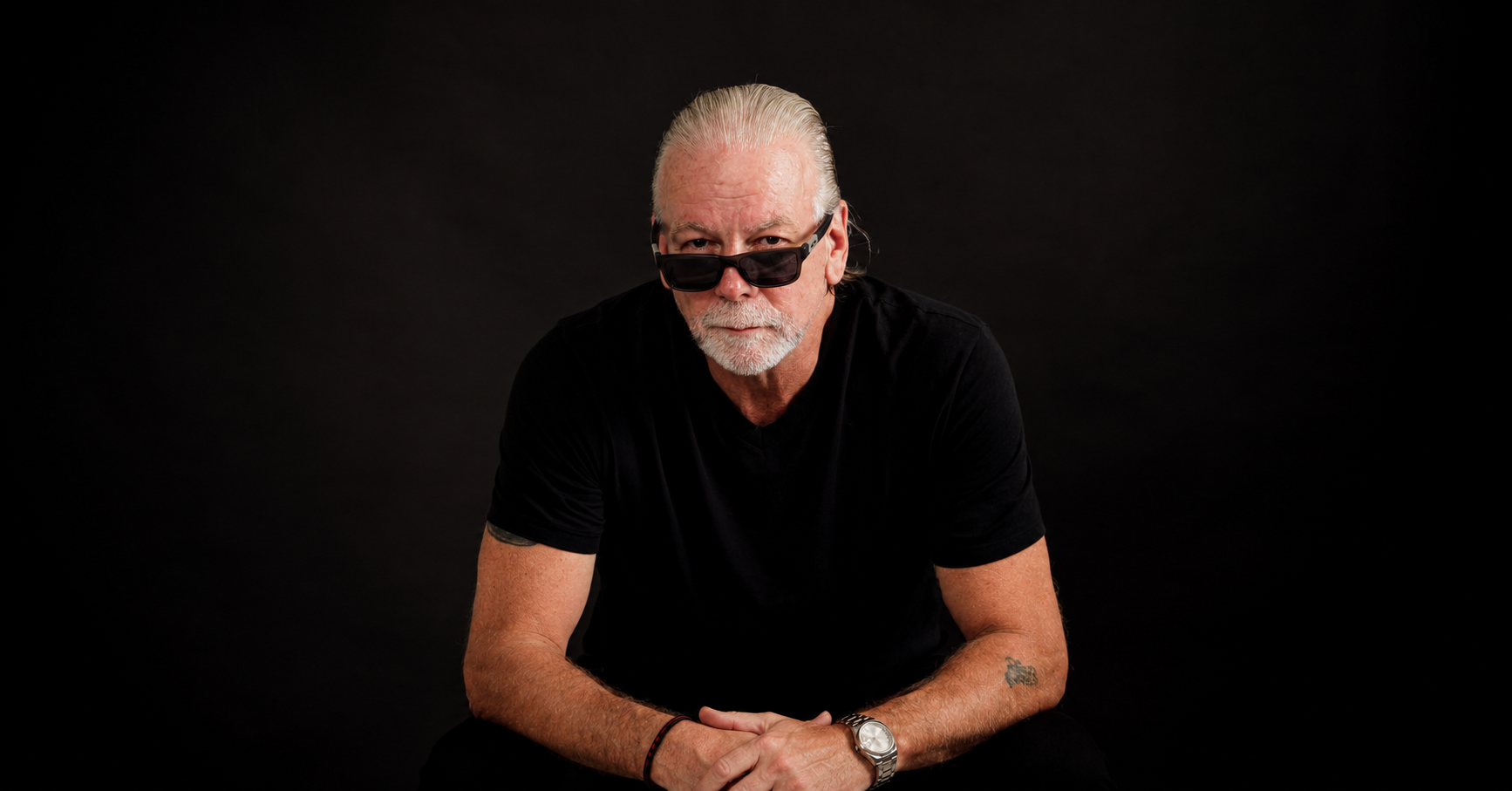
After a blackmail scam, run a privacy check. I am Frank M. Ahearn, The Blackmail Fixer and a disappearance expert. I want to explain a mistake many men make after becoming victims of blackmail. Victims focus solely on preventing exposure and ignore other important privacy steps.
Take WhatsApp blackmail, for example. A blackmailer may send screenshots of compromising photos, along with threats. A victim may delete the screenshot, but the compromising photos may still be saved in his photo album. They may also be uploaded to a cloud account. One man contacted me after his wife found the photos because they shared a cloud account.
With SMS messages, depending on the service and phone, deleted messages may not actually be deleted; they may go into a folder. Depending on your settings, they may remain there indefinitely or be deleted after 30 days. Either way, they can be a risk, especially if your spouse has access to your phone. You may go through the stress of preventing a blackmailer from contacting your spouse, only to leave the content stored on your phone.
One victim was dealing with a blackmailer who called him constantly on his mobile and through WhatsApp. The victim added the predator to his phone book. His wife picked up his mobile to make a call and looked at his call history. It showed dozens of calls. When she looked at the name on his WhatsApp, she saw a photo of a very attractive woman. Naturally, his wife assumed he was having an affair.
If a blackmailer emails you, check your deleted emails on both your desktop and mobile. Many victims overlook this step because they typically focus on other forms of communication. If you responded, check your sent emails and delete those, too. Then check the deleted folder and double-check. Also check your spam folder in case something is still there.
If you connected with the blackmailer on social media, check your messages and posts for any trace of them. Review your friends and followers, and remove people you do not know. Blackmailers often connect with victims through different profiles.
Be aware of financial transactions involving money you paid the blackmailer. If the wrong eyes see them, questions will be asked. Also keep receipts for gift cards, Western Union, and other payment-related items.
I am Frank M. Ahearn, The Blackmail Fixer, a privacy expert, and a disappearance expert. I began my career in 1984 as a skip tracer and social engineer, finding people who did not want to be found. I later turned that experience toward protecting privacy, handling blackmail, and helping people disappear. I am an author and public speaker, and the New York Times bestselling author of How to Disappear. When I take a case, I handle it personally.
If you need a privacy check, you can schedule a consultation by emailing me at FA@FrankAhearn.com.