Most people who play online do not think about the risk, let alone blackmail prevention. Awareness usually comes after the threat, the panic, and the demand for money.
Prevention starts much earlier.
It begins with recognizing one simple fact: when you connect with someone online, you are connecting with an unidentified stranger.
You do not truly know whether they are a man or woman. You do not know whether the photos are real. You do not know whether the social media profile belongs to them. And you do not know what they intend to do with the information you share.
Different platforms create different threats. Some expose your employer. Others expose your spouse, family, friends, or social network.
LinkedIn can create professional exposure because your employment history and business connections are already visible. Dating and hookup apps can expose relationships, sexuality, or private behavior. Facebook and Instagram can hand a blackmailer a list of the people who matter most to you.
AI has added another threat: targeted blackmail using manufactured images, deepfakes, fake conversations, and other fabricated content.
And do not think extortion only happens because someone shared compromising photos or videos.
Sexual text messages can become leverage. So can arranging an escort appointment, discussing an affair, revealing private sexual interests, or making the mistake of trashing your spouse or boss to someone you barely know.
Blackmail prevention starts before any of that happens.
Why Online Platforms Create Blackmail Risk
The biggest problem with communicating with strangers online is that our identities are connected to our behavior.
A professional photograph can be reverse-searched and lead to employment information. A username may resemble a real name or email address. A phone number can expose personal information through invasive databases and data brokers.
Family members and friends create another trail. They post photographs, tag locations, identify relatives, comment on posts, and unintentionally expose connections.
Even with your best efforts, privacy online is increasingly difficult to maintain.
Before connecting with a stranger, ask yourself:
Could anything I give this person lead to my identity, family, spouse, employer, or professional life?
If the answer is yes, you have created potential leverage.
Grindr Blackmail Prevention
Blackmail targeting bisexual and married men occurs on apps such as Grindr, Sniffies, Jack’d, and other hookup platforms.
These can become extremely aggressive blackmail cases.
Many victims are married, closeted, professionally visible, or simply terrified that their private sexual life will be exposed. The blackmailer understands exactly where the pressure is.
When communicating with a potential hookup, protect your identity from the beginning.
Do not use a username connected to your real name or email address. Do not casually give out your real phone number. Lock down social media accounts and remove personal information from data-broker websites wherever possible.
One of the biggest mistakes is moving from the dating app to WhatsApp, Telegram, Signal, or another account connected to identifiable information.
Before giving someone another username, phone number, email address, or social media account, search it yourself.
If the internet can connect it to you, assume a blackmailer can too.
Ashley Madison Blackmail Prevention
Ashley Madison creates a particular kind of blackmail risk because the threat is often obvious: exposure to a spouse or family.
The danger is not simply being on the platform. It is allowing someone you meet there to connect your private behavior to your real identity.
The longer the conversation continues, the easier it becomes to reveal small pieces of information: your first name, profession, city, travel schedule, spouse, children, workplace, social media accounts, or phone number.
Individually, these details may seem harmless.
Together, they can identify you.
Do not assume someone deserves more personal information because you have been speaking for days or weeks. Time does not verify identity.
A blackmailer may be patient because the more they learn about you, the more valuable the eventual threat becomes.
Escort Blackmail Prevention
Escort blackmail can begin before an appointment ever takes place.
A phone number, text conversation, hotel information, payment record, home address, or workplace can become leverage.
Do not commit the mortal sin of inviting a stranger to your home or workplace.
I have handled cases where an escort photographed herself inside a client’s home. In another case, photographs were taken inside a lawyer’s office while he was occupied and unaware of what was happening.
Once someone has evidence connecting private behavior directly to your home, office, spouse, or professional identity, the stakes change dramatically.
If an escort blackmails you, do not panic and immediately send money.
That does not necessarily mean making an outright refusal. It means avoiding an impulsive payment simply because the blackmailer has created a deadline.
Panic is what gives the blackmailer control.
Instagram & Facebook Blackmail Prevention
Instagram and Facebook are ready-made tools for blackmail because people voluntarily map their lives online.
Family. Friends. Spouses. Employers. Vacations. Children. Coworkers.
The larger your visible network, the more leverage a blackmailer may believe they have.
One common tactic is searching your surname and identifying relatives who can receive compromising material. A predator may also search Facebook and Instagram after obtaining your real name, phone number, photograph, or another identifying detail elsewhere.
Do not assume setting your profile to private eliminates the risk.
Interactions can reveal relationships. Comments, likes, photographs, tags, old posts, and relatives’ public accounts can provide clues about who matters to you.
A blackmailer does not need your entire life.
They need one person you desperately do not want contacted.
LinkedIn Blackmail Prevention
LinkedIn creates a different type of exposure: professional leverage.
It can also be effective for long-term blackmail setups and increasingly sophisticated AI-targeted attacks.
Someone contacts you with a legitimate-sounding professional question. You reply because that is what LinkedIn is designed for.
The danger begins when the conversation moves away from professional matters and becomes personal.
Once the blackmailer knows your company, title, colleagues, clients, and professional network, they already understand where to apply pressure.
I am also seeing targeted cases where predators manufacture compromising material against high-level business professionals. AI-generated images, fabricated messages, and deepfakes mean that compromising content does not necessarily have to be real to become threatening.
Some victims pay because they hope the material will disappear.
Payment does not guarantee that.
And deleting your LinkedIn account after the threat begins does not erase information the blackmailer has already collected.
Blackmail Prevention Is Identity Prevention
The safest time to stop blackmail is before someone knows enough about you to create leverage.
Every new connection should be treated as an unknown person until proven otherwise.
Think about what your photograph reveals. Search your usernames. Search your phone number. Review your social media connections. Remove yourself from invasive databases when possible. Separate private online activity from your professional identity.
Most importantly, stop assuming the person on the other side of the screen is who they claim to be.
The photo may be fake.
The profile may be fake.
The story may be fake.
But the information you give them about yourself is real.
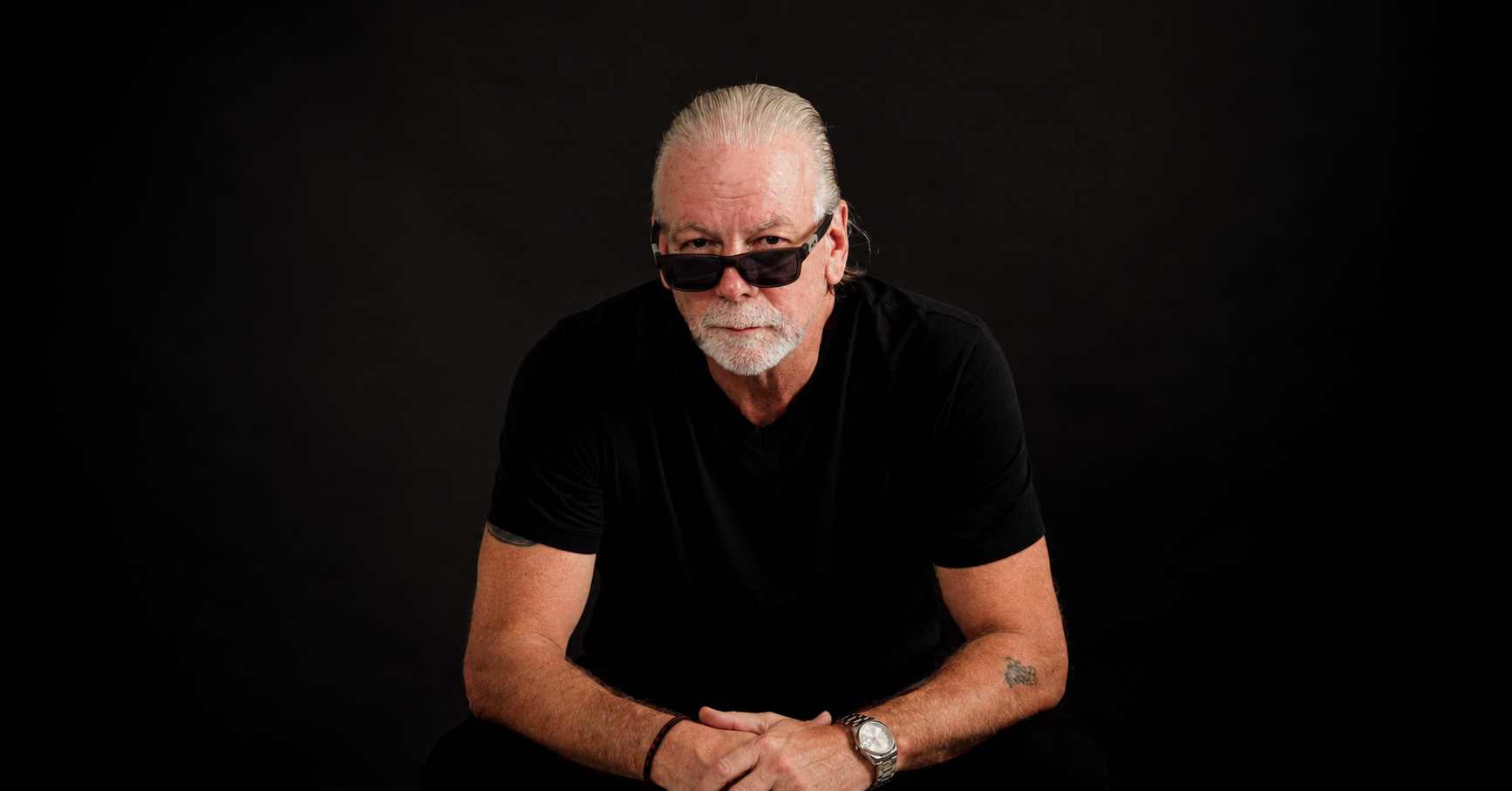
About Frank M. Ahearn
Frank M. Ahearn is a privacy expert, bestselling author, and The Blackmail Fixer. For decades, he has worked in the world of privacy, information, disappearance, and identity protection.
Today, Ahearn works directly with people facing blackmail, sextortion, relationship threats, escort blackmail, dating-app extortion, and professional exposure.
When a blackmail threat becomes real, he does not simply tell clients what to do. He takes over the communication, stalls demands, protects identities, works to prevent exposure, and removes the blackmailer’s ability to control the situation.
His work is built around one principle: protect the identity, prevent the exposure, and take control away from the blackmailer.
Frank M. Ahearn’s books include:
- How to Disappear
- Self-Help Guide for Stopping Blackmail
- I Was a Skip Tracer
- The Romance Detective
- How to Disappear Journal
- The Online Dating Journal
- See more on the Amazon Author Page
His work on privacy and disappearance has reached readers around the world and has been featured in major international media.
Blackmail prevention begins before the first threat. Blackmail help begins when prevention fails.