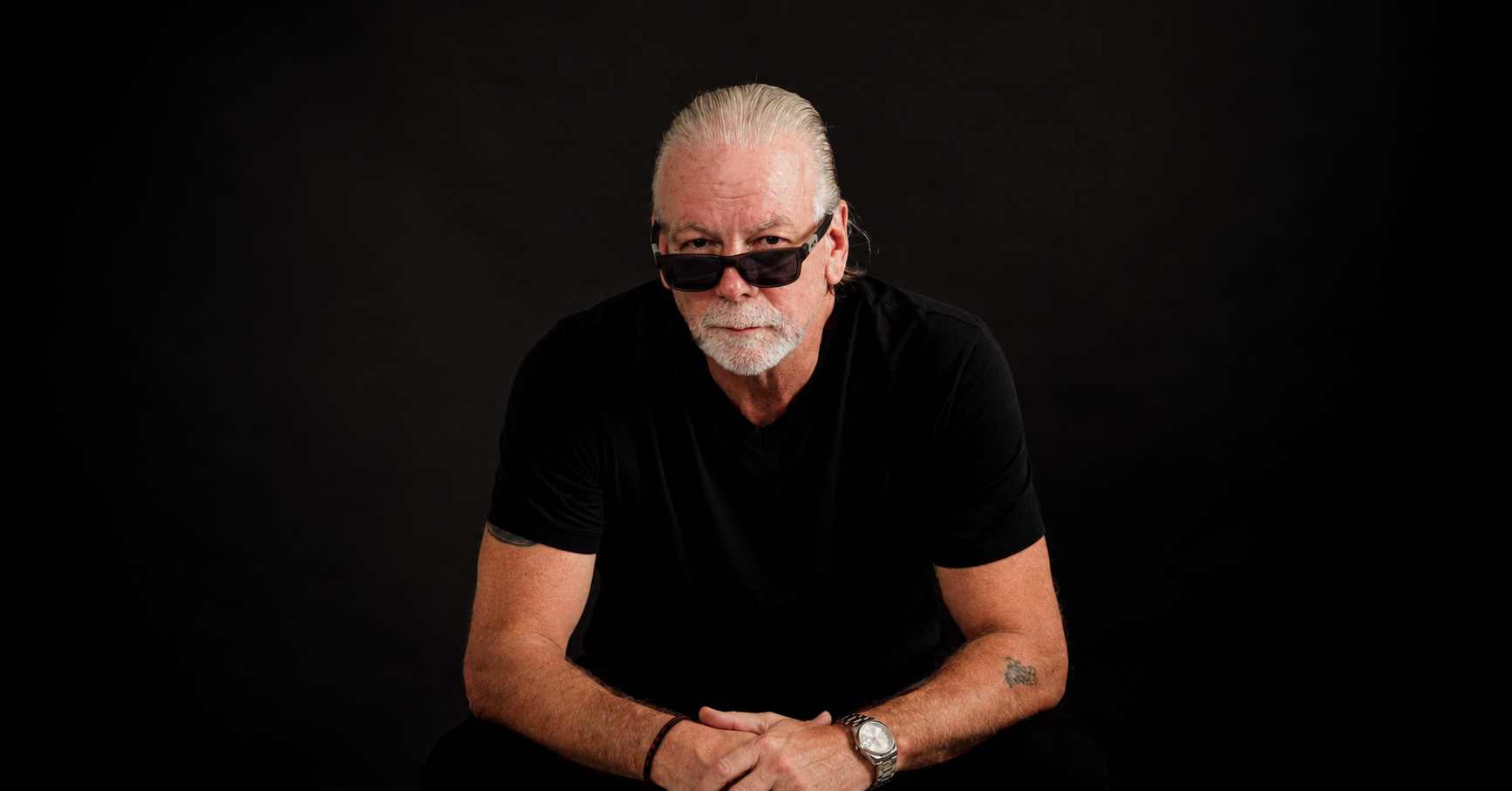
Dating app encounters that turn into financial extortion can leave a victim afraid of losing far more than money. I’m Frank M. Ahearn, The Blackmail Fixer. When someone uses a private encounter to demand payment and threaten exposure, I take over the communication, stall the demands, and work to prevent exposure.
A client came to me after what he thought was an Ashley Madison hookup turned into a threat against his family.
He Thought He Had Met Someone
They texted. She looked attractive, seemed exciting, and knew exactly what to say.
He was entering the world of secret affairs and playing the role of sugar daddy. He thought he had met someone who wanted the same arrangement.
Then the payment demands began.
His exact words to me were:
“I thought I met someone. Instead, it was a predator planning to destroy me and my family if I did not comply with the payment demands.”
That sentence tells you what had changed. He was no longer thinking about the excitement of meeting someone. He was thinking about his family and what the person might do if he refused to pay.
The Threat Grew From What He Had Trusted Her With
A dating app conversation can feel separate from the rest of your life. You may use a private account and assume that what you say there will stay there.
But the person on the other side may learn details about you as the conversation develops. Once they have something you want to keep private, they can use it to demand money.
That is the point where I want the victim to stop thinking of this as a difficult dating situation. Someone is using the threat of exposure to make you pay.
For more about that shift, read Relationship Blackmail, Exposure Threats, and the Fear of Loss.
The Blackmailer Looks for People You Fear Losing
The demand may be for money, but the pressure comes from who might find out.
A spouse’s Facebook page. An adult daughter’s Instagram account. A company website. A LinkedIn profile.
Those connections can give a blackmailer someone to threaten. A victim begins imagining messages reaching a marriage, family, or workplace. That fear can make a payment deadline feel impossible to resist.
I look at what the person actually knows. Have they named anyone? Have they shown an account belonging to a family member or employer? What information did the victim share during the conversation?
The answers matter when I take over. I will not help the blackmailer fill in what they have not found.
Stall the Payment Demand
If the person wants money immediately, you need time. Tell them you have to borrow it from a friend and that it will take a few days. Keep the message short.
The stall gives you room to get help instead of making every decision under a deadline set by the person threatening you.
Do not explain exactly how much you fear your family finding out. Do not confirm names or accounts they have guessed incorrectly. Those details can make the threat more personal.
When I accept a case, I step in as the victim when possible. I handle the communication, continue the stall, protect the client’s identity, and work to prevent exposure. You deal directly with me, not a team or call center.
My Blackmail Help page explains how I take over.
Frank M. Ahearn
I began my career as a skip tracer in 1984. I learned how people are found through the small connections between a name, a photograph, an employer, a relative, and an address.
Later, I reversed that work and began helping people protect their identities. That experience is part of how I approach a dating app threat. I want to know how the blackmailer could connect a private conversation to the client’s real life and what can still be protected.
I am an extreme privacy expert, public speaker, The Blackmail Fixer, and the New York Times bestselling author of How to Disappear.
For someone dealing specifically with an Ashley Madison threat, I wrote Ashley Madison Blackmail Survival Manual: 10 Rules Before You Pay or Panic.
If a Dating App Encounter Has Become a Money Demand
Tell me how you met the person, what you shared, what they are demanding, and whom they are threatening to contact.
You do not have to keep facing the messages yourself.
Contact Frank M. Ahearn. I take over to prevent exposure.