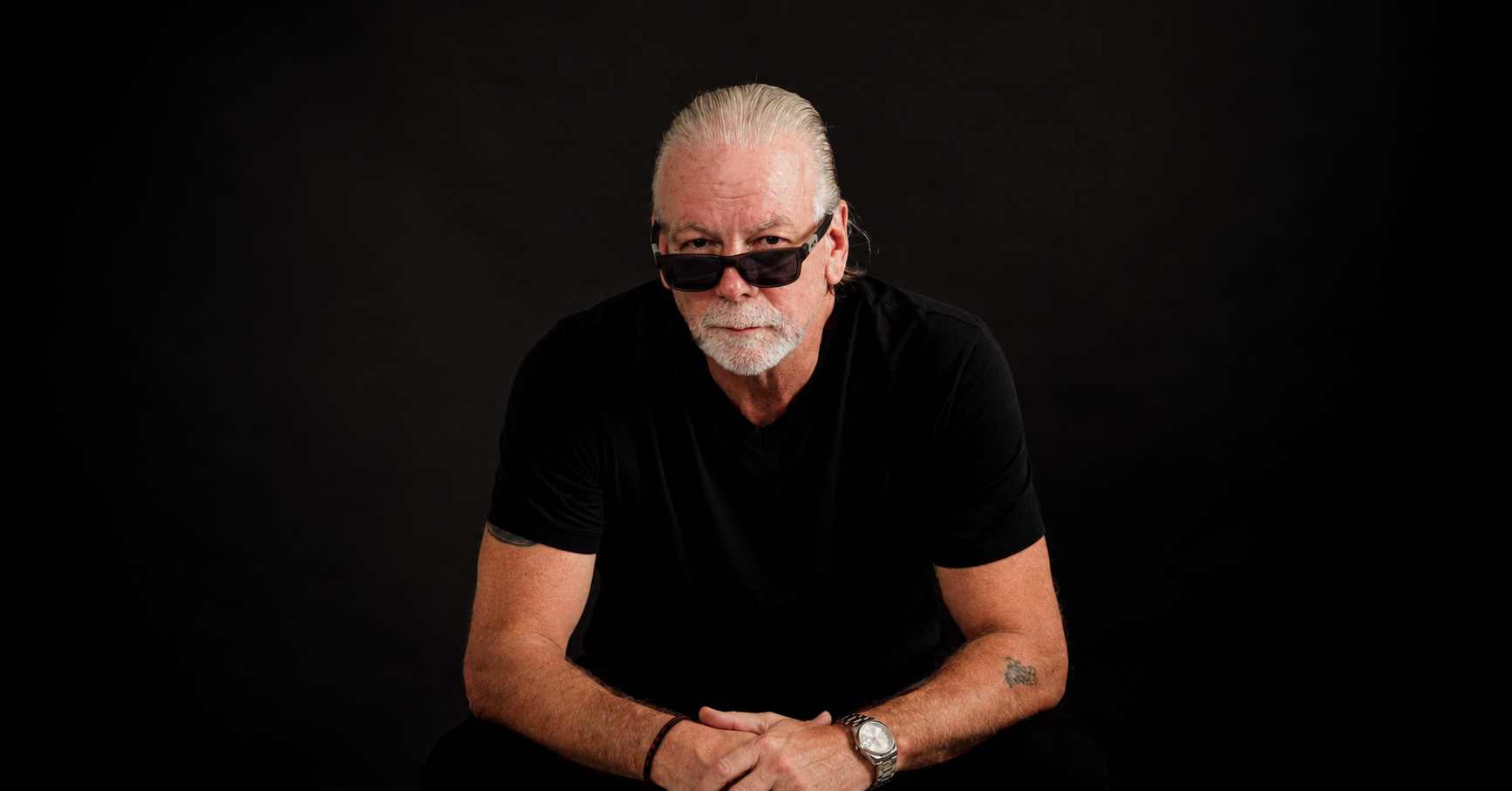
How to Stop Blackmail begins with one immediate move: stop panic from making your decisions. I am Frank M. Ahearn, the Blackmail Fixer. I take control of communication, face the blackmailer, stall the demands, and work to prevent exposure. Contact me for blackmail help, or read Blackmail Survival Manual: 10 Rules Before You Pay or Panic.
The first threat can feel like the end of your life.
It is not.
A message appears. The blackmailer claims to have photographs, videos, conversations, affair details, or dating app chats. Then they mention a spouse, employer, family member, or business contact.
Your mind races toward the worst possible outcome.
That is exactly what the blackmailer wants.
Panic Builds a Better Threat
The blackmailer watches how quickly you answer, what frightens you, and whether you are willing to pay.
If you beg them not to contact your spouse, you identify the marriage as the pressure point. If you panic after an employer is mentioned, you show that your career is the target.
Every emotional response becomes information.
The blackmailer may have only a name, photograph, or social media account. Panic can confirm everything else.
Do not panic. Do not block or ignore. Do not pay the demand – stall.
Stalling Interrupts the Pressure
Blackmailers use urgency because urgency produces mistakes.
“Pay now.”
“Your wife sees this tonight.”
“I am sending everything in ten minutes.”
That deadline belongs to the blackmailer. It does not have to become your deadline.
Stalling creates time to determine:
- What the blackmailer possesses
- What they only claim to possess
- Whether anyone has been contacted
- How much of your identity has been found
- Which exposure threat is real
- Whether money has already changed the situation
Payment may feel like the fastest escape, but it can turn one demand into several. Once fear produces money, the blackmailer has a reason to return.
There is rarely a final payment.
Blackmail Is About Money
The threat feels personal because it involves your marriage, career, identity, or private life.
For the blackmailer, it is usually business.
Blackmail is about money. Fear is how the blackmailer tries to collect it.
This applies to Grindr blackmail, OnlyFans exposure threats, affair blackmail, escort threats, workplace exposure, and social media blackmail.
The platform changes.
The pressure is the same.
How I Take Control
I work directly with people facing blackmail and exposure. There is no staff member between us.
When appropriate, I face the blackmailer, take over and pose as the victim, control communication, and stall the demands. I manipulate what the blackmailer knows, create disinformation when possible, safeguard identities, and work to prevent exposure.
I do not treat blackmail as only a cybersecurity problem.
The person making the threat is the problem.
My approach comes from decades of skip tracing, social engineering, privacy work, and understanding how people use information as leverage.
There is a solution. It begins by slowing the situation down and preventing fear from handing the blackmailer more control.
Continue With the Right Information
Read about the Ahearn takeover method for stopping blackmail, learn why social media blackmail creates pressure so quickly, or watch the video.
Ten Rules for the First Hours
Blackmail Survival Manual: 10 Rules Before You Pay or Panic explains how to stall the demands, limit emotional reactions, and avoid giving the blackmailer more leverage.
Amazon US | Amazon UK | Amazon Australia | Amazon Canada | Amazon Netherlands | Amazon Germany – English | Amazon Sweden | Amazon Poland | Español | Deutsch | Français