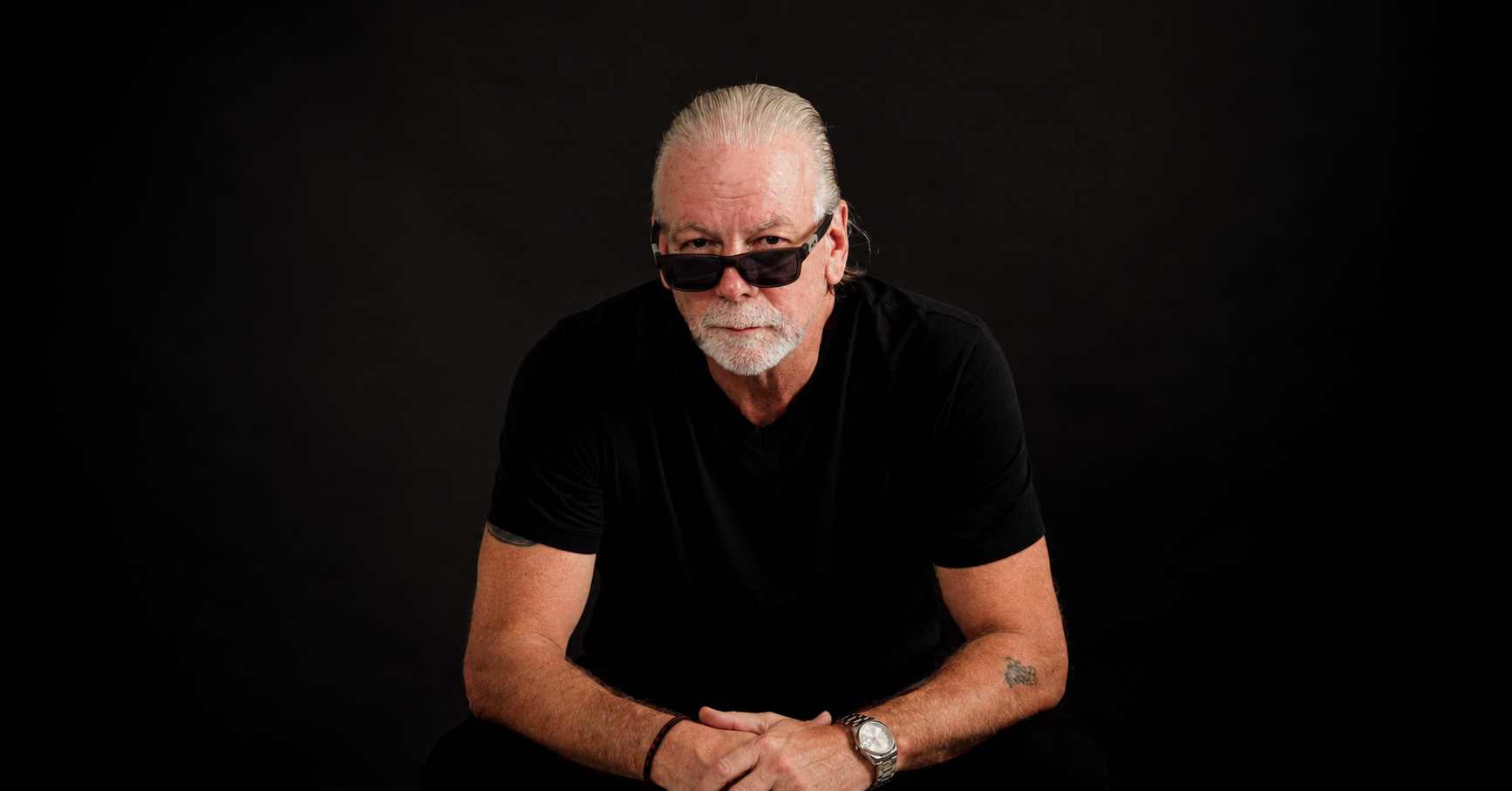
Romance Scammers Are Using AI to Hunt Vulnerable Victims, but there is a solution if the relationship becomes fraud or blackmail. I am Frank M. Ahearn, the Blackmail Fixer.
AI-generated photographs, voices, and videos can make a false relationship appear real. If you are questioning someone you met online, visit my Romance Scam Help page to learn how I evaluate the identity and help protect your personal information.
The real danger is not the fake video everyone talks about.
It is the believable personality.
AI helps scammers sound educated, emotionally aware, professional, patient, and local. The obvious grammar mistakes and awkward messages that once exposed many scams are disappearing.
A scammer no longer sounds like a scammer.
AI Creates the Person the Victim Wants to Meet
He may present himself as:
- A divorced architect in Chicago
- A financial consultant in London
- A widowed engineer in Toronto
- A businessman working overseas
- A local professional looking for love
AI can help maintain the story, generate natural responses, and adjust the emotional tone of the conversation.
The scammer becomes whoever the victim hoped to meet.
When the New York Times interviewed me about romance scams and AI, I made one point clear: the technology is helping scammers create believable, customized people.
That is more dangerous than another stolen photograph.
How AI Romance Scammers Hunt Vulnerable Victims
Scammers can study public information from dating profiles, Facebook, Instagram, LinkedIn, and company websites.
They look for:
- Divorce or separation
- Grief
- Loneliness
- Career and income
- Travel
- Relationship frustration
- Interests and routines
- Emotional posts
That information helps shape the approach.
The scammer is not sending the same personality to everyone. He can build a different identity around each victim.
This is why AI romance scammers target lonely professional women and why married women face a specific danger.
AI Improves the Story, Not the Behavior
The messages may sound believable.
The behavior still reveals the scam.
Watch for someone who:
- Falls in love unusually fast
- Avoids meeting in person
- Has constant video-call problems
- Changes details about work or location
- Introduces investments or crypto
- Develops repeated financial emergencies
- Pushes the relationship into secrecy
- Becomes controlling when questioned
The dangerous moment in a romance scam is when the contradictions are visible, but the victim continues protecting the relationship.
When the Romance Becomes Blackmail
The scam may begin with money and end with an exposure threat.
Private photographs, messages, financial transfers, or evidence of a secret relationship can become leverage.
Do not panic. Do not block or ignore. Do not pay the demand – stall.
When appropriate, I take over and pose as the victim. I face the blackmailer, control communication, stall the demands, manipulate what the blackmailer knows, and create disinformation when possible.
I work to prevent exposure and safeguard identities.
Follow the AI Romance Scam Trail
Romance Scam Protection Before the First Message | Blackmail Against Women Is About Leverage | Dating App Blackmail Help for Women | Blackmail Help for Married Women and AI Romance Scams
Books for Prevention and Immediate Help
The Romance Detective
US | UK | Australia | Canada | Germany – English | Deutsch
The Online Dating Journal
US | UK | Australia | Canada | Germany – English | Deutsch
Blackmail Survival for Married Women