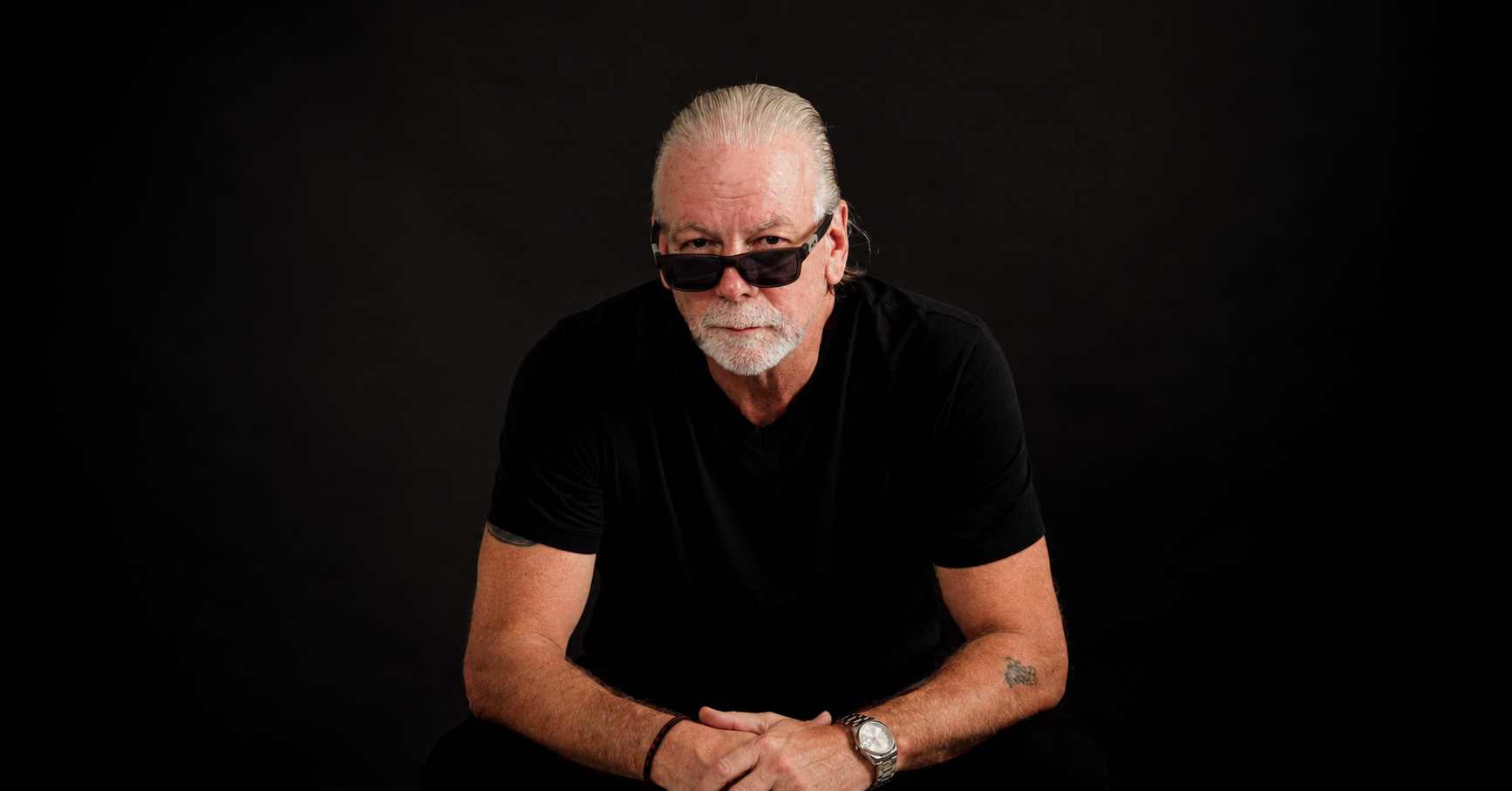
Why LinkedIn blackmail feels more dangerous than Facebook blackmail? Because the threat can go straight to the people you work with. When a blackmailer names your employer, clients, or colleagues, you start thinking about the career you spent years building. I’m Frank M. Ahearn, the Blackmail Fixer. I step in, take over communication as you, and work to prevent exposure.
Facebook blackmail can damage your family life, friendships, and career too. I am not dismissing that. But LinkedIn puts your professional identity in front of the blackmailer. Your position, company, work history, and business connections may all be visible in one place.
The threat becomes specific:
“I found your company.”
“I know who you work with.”
“I’m sending this to your clients.”
Now you are staring at a message while imagining the next morning at work.
What Makes the LinkedIn Threat Different?
A blackmailer does not need to post anything on LinkedIn to use it against you. They can point to a colleague’s profile or name your employer to show you whom they might contact.
The material they threaten to send may be a private photo, a conversation, or something you never expected to reach your professional life. The pressure comes from connecting that private material to people whose opinions matter to your work.
You may be worried about your boss seeing it. A business owner may picture a client receiving it. An executive may think about partners or investors.
That is the difference I hear from clients. They are frightened of exposure, and they can name exactly what they believe it could cost them.
For more on the workplace side of these threats, read LinkedIn Blackmail Help for Executives and Professionals.
Frank Stops LinkedIn Blackmail
First, I need to know what the blackmailer actually has and whom they have identified. A threat to “tell everyone at your company” is different from a message that names your employer and shows specific contacts.
I look at what they are demanding, what they know about you, and where the exposure risk lies. Then I take over the communication when I can.
I pose as you, manage the demands, and work to buy time. Stalling payment is part of that work. When possible, I also use disinformation to change what the blackmailer believes about your identity or employment.
You step away from the bombardment of messages. I deal with the person making the threat.
Read more about how I handle blackmail.
Do Not Give Them More About Your Career
When someone mentions your job, it is tempting to explain how serious the threat is. You may tell them which person at work would cause the most trouble, or correct a detail they got wrong.
Do not fill in the gaps for them.
Pay attention to the names and information they provide. What have they found? What are they guessing? Have they identified people who can actually reach you? Those details matter when deciding how to handle the threat.
Facebook threats often bring a person’s family and social circle into view. LinkedIn threats put professional contacts at the center of the pressure. If you are dealing with both, I need to understand both.
Frank M. Ahearn
I began as a skip tracer in 1984, finding people through the details that connected their lives. I later used that experience to help people disappear and protect their privacy. Today, I bring that knowledge to blackmail cases where a person’s identity, family, or career is being used against them.
I am an extreme privacy expert, public speaker, New York Times bestselling author of How to Disappear, and the Blackmail Fixer. You deal directly with me.
If a blackmailer has found your LinkedIn profile and is threatening your work, contact me. Tell me what they have, whom they named, and what they are demanding.
For immediate reading, see Blackmail Survival Manual: 10 Rules Before You Pay or Panic.
The blackmailer wants you thinking about the end of your career. I want to know what they can actually reach, then get to work protecting it.