How to identify a corporate blackmailer on LinkedIn begins with understanding what the platform reveals about your professional life.
Your company.
Your position.
Your coworkers.
Your clients.
Your boss.
Your business connections.
A corporate blackmailer can use a fake LinkedIn profile to enter your professional circle, collect information, and create a threat built around your career.
If that threat begins, I step in.
I take over communication as the victim, determine what the blackmailer actually knows, protect the client’s identity, and work to prevent exposure before the threat reaches coworkers, clients, HR, or the board.
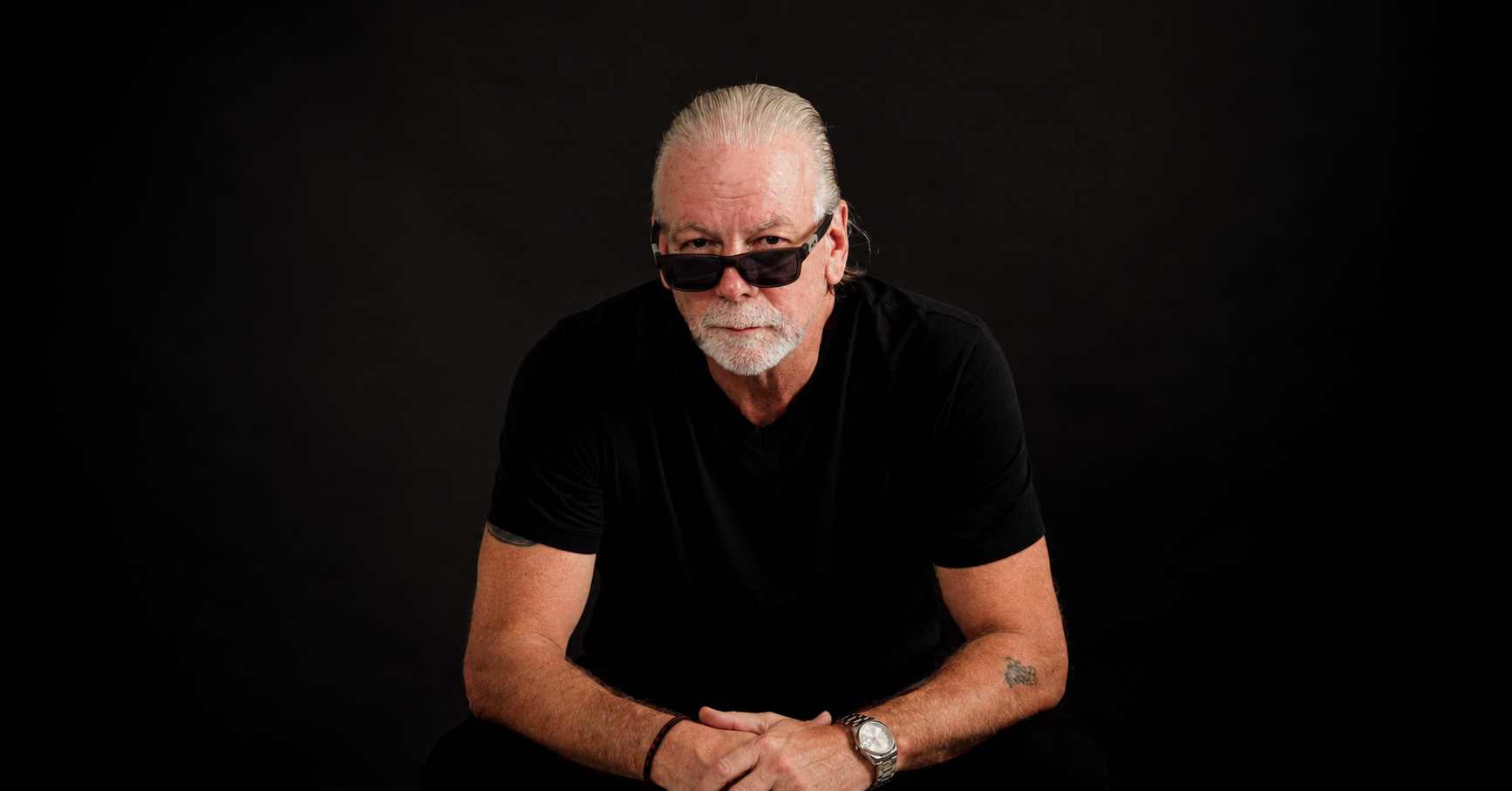
I am Frank M. Ahearn, The Blackmail Fixer.
You step away from the pressure.
The blackmailer deals with me.
Not Every Corporate Blackmailer Looks the Same
Some corporate blackmailers arrive through fake LinkedIn profiles.
Others are real people using false job titles, stolen photographs, or manufactured company histories.
Some are former employees, business partners, competitors, contractors, or people already connected to the company.
Not every fake profile is a corporate blackmailer.
Not every corporate blackmailer is an outsider.
The warning comes from the pattern.
They study you.
They build trust.
They collect information.
Then something changes.
Corporate Blackmail Begins With Research
Most corporate blackmailers do not begin with threats.
They begin by watching.
They study your LinkedIn profile.
Your company website.
Press releases.
Conference appearances.
Interviews.
Social media accounts.
They learn who matters in your professional life before making contact.
In a few minutes, they can build a map of your career.
Sometimes they want confidential information.
Sometimes they want access to someone inside the company.
Sometimes they are building a personal relationship.
Sometimes they are looking for a secret they can turn into money.
The approach may feel professional at first.
A recruiter.
An investor.
A journalist.
A consultant.
A potential client.
A fellow executive.
The identity gives them a reason to ask questions.
Warning Signs of a Fake LinkedIn Profile
Slow down if someone:
- Sends a connection request from a profile with little history.
- Claims to hold a senior position but has almost no professional activity.
- Uses a polished photograph but has few genuine connections.
- Lists companies that cannot verify the person’s employment.
- Claims to be a recruiter, journalist, investor, or executive but avoids basic verification.
- Quickly moves the conversation to WhatsApp, Telegram, Signal, email, or text.
- Asks unusual questions about your company, clients, coworkers, or internal operations.
- Pushes the conversation from professional to personal or sexual.
- Wants private photographs, video calls, documents, or confidential information.
- Mentions your employer, coworkers, spouse, or reputation after gaining your trust.
- Begins hinting that they know personal information about you.
- Sends screenshots claiming messages have already been sent to your professional contacts.
None of these signs alone proves someone is a blackmailer.
Together, they tell you to stop moving forward and start verifying.
Why They Move the Conversation Off LinkedIn
Moving the conversation off LinkedIn gives the blackmailer more access.
Your telephone number may reveal your real identity.
A messaging app may expose your photograph, location, contacts, or online activity.
Private communication also gives the predator room to change the tone.
The conversation begins with business.
Then it becomes friendly.
Then personal.
Then private.
Read why LinkedIn blackmail can feel more dangerous than Facebook.
LinkedIn gives the predator the professional map.
Another platform gives them access to the person behind it.
AI Makes Fake Professional Identities Stronger
AI helps corporate blackmailers build identities that look real.
A professional biography can be written in seconds.
A company history can be invented.
Photographs can be altered.
Messages can be translated and polished.
Fake screenshots can be created to make it appear that a boss, coworker, client, or spouse has already been contacted.
That happened in a case where a blackmailer supposedly contacted coworkers through LinkedIn.
The victim paid more than $10,000.
The messages were fake.
The blackmailer created the appearance of exposure because fear produces faster payments than proof.
If the screenshots look real, victims often assume the damage has already started.
That assumption can become expensive.
A Screenshot Is Not Proof of Exposure
A screenshot proves that an image exists.
It does not prove that a message was sent.
It does not prove delivery.
It does not prove anyone opened it.
AI and basic editing tools can create convincing LinkedIn messages using public names, profile photographs, job titles, and company information.
Before reacting, determine whether the supposed exposure is real, fake, manipulated, or designed only to force payment.
Read more about AI LinkedIn blackmail and who helps victims.
The Threat Is Usually Reputation Before Money
Corporate blackmail may not begin with an immediate demand.
The blackmailer first wants you thinking about:
Your employer.
Human resources.
Your board.
Your clients.
Your partners.
Your professional licence.
Your public reputation.
Once the fear is established, the money demand follows.
The blackmailer may threaten to expose private photographs, an affair, escort contact, confidential conversations, company information, or an allegation that is completely false.
The secret can be real.
It can be exaggerated.
It can be invented.
The leverage comes from your fear of who might receive it.
Attorneys, Executives, and Professionals Are Valuable Targets
Professionals often have more to protect.
A public reputation.
A regulated career.
Clients who expect discretion.
Partners who fear controversy.
A board that does not want surprises.
A blackmailer understands that professional fear can produce money quickly.
Attorneys face particular pressure because even an allegation may feel dangerous. Read about LinkedIn blackmail against attorneys.
Executives should also understand why panic begins when LinkedIn exposure appears to start.
Is the Blackmailer Inside or Outside the Company?
A fake profile may belong to a stranger.
But a corporate blackmailer may also be someone who already knows the business.
A former employee.
A current coworker.
A contractor.
A partner.
A competitor.
An outsider usually builds the threat from public information.
An insider may possess internal emails, documents, private conversations, financial records, or knowledge of company disputes.
The distinction matters.
A generic online scam requires one type of response.
A person with genuine access requires another.
Before accusing anyone, determine whether the information came from research, AI manipulation, a data leak, or someone inside the professional circle.
What Should You Do?
Do not argue.
Do not panic.
Do not block or ignore the blackmailer.
Do not assume that paying will make the threat disappear.
Do not send more personal or company information.
Do not accuse a coworker without evidence.
Save the messages.
Save the profile.
Save the screenshots.
Stall the demand while the threat is examined.
Blackmail is about control. Payment tells the blackmailer that the threat works and that your professional reputation has a price.
The objective is to regain control before the predator reaches your workplace.
Read How to Stop LinkedIn Blackmail Before It Reaches HR.
How Frank M. Ahearn Handles Corporate Blackmail
When I accept a corporate blackmail case, I remove the client from direct communication.
The blackmailer no longer deals with the executive, professional, attorney, or business owner they selected.
They deal with me.
I communicate as the victim.
I control the timing and tone.
I determine what the blackmailer knows and what they only claim to know.
I identify who they can realistically contact.
I protect the client’s identity, employment, family, and reputation.
When possible, I introduce disinformation that changes what the predator believes about the client or the situation.
My work focuses on the person behind the threat.
AI may build the fake profile.
LinkedIn may provide the professional map.
But a human predator is still using fear to create leverage.
That is the person I manage.
Protecting Your Employment and Professional Reputation
Corporate blackmail cannot be treated like an ordinary unwanted message.
Blocking one profile does not remove the information already collected.
Deleting LinkedIn does not erase the names of your coworkers.
Paying does not guarantee silence.
The threat must be controlled before it moves through your professional network.
Read more about employment protection against blackmailers and LinkedIn extortion.
You can also read about a case where a blackmailer threatened a woman’s LinkedIn contacts and husband.
Watch: How to Stop LinkedIn Blackmail
Watch Frank M. Ahearn explain how to stop LinkedIn blackmail.
More LinkedIn Blackmail Help
LinkedIn Blackmail Help for Executives and Professionals
Sextortion and LinkedIn Help for Business Professionals
Who Helps Stop AI Blackmail on LinkedIn?
Fake Screenshots, Real Panic: LinkedIn Blackmail Help
Who Helps Victims of AI LinkedIn Blackmail?
How to Stop LinkedIn Blackmail Before It Reaches HR
Executives Panic When LinkedIn Exposure Begins
The Blackmailer Contacted Coworkers Through LinkedIn
The Blackmailer Threatened Her LinkedIn Contacts and Husband
When a LinkedIn Connection Becomes a Threat
My early work involved locating people and uncovering the connections between identities, businesses, records, associates, and assets.
That experience taught me how much a professional profile can reveal.
Today, I use that knowledge to protect clients whose careers and reputations are being targeted.
I take over.
I control the communication.
I protect the client.
I work to prevent exposure.
If a LinkedIn connection has become a blackmail threat, do not let fear make the next decision.
Frank M. Ahearn
The Blackmail Fixer and New York Times bestselling author of How to Disappear