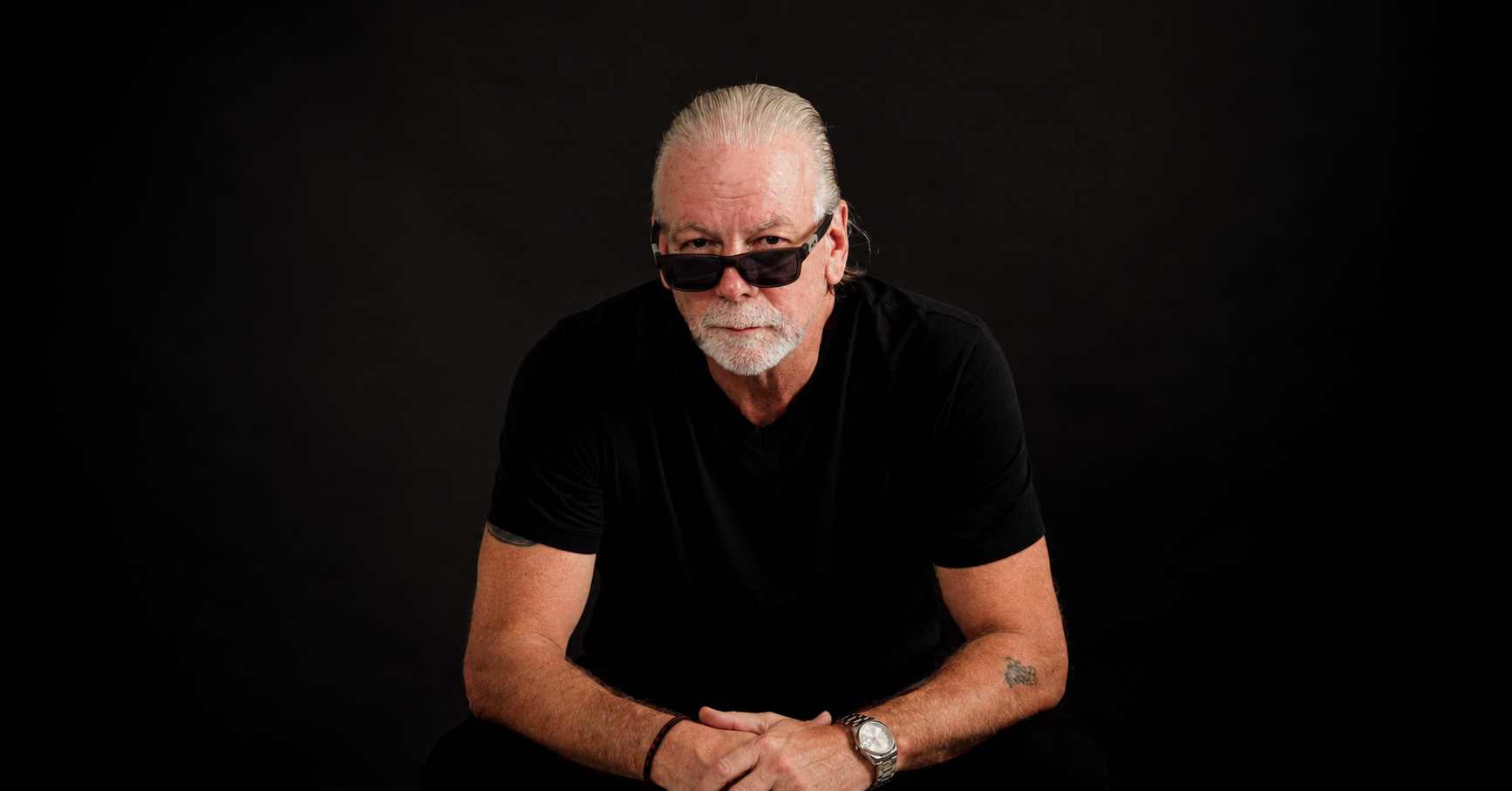
When a Relationship Becomes a Privacy Risk, Frank M. Ahearn identifies what the other person can still access and builds privacy around those vulnerabilities. The solution is not another emotional conversation. It is separating the private life you want now from the information the relationship exposed in the past.
Privacy problems do not always come from strangers.
Sometimes the person who can find you already knows you.
An ex-partner.
An estranged family member.
A former friend.
A personal assistant.
A business partner.
Someone who once had legitimate access to your life.
The relationship may be over.
Their knowledge of you is not.
What Does the Other Person Know?
Someone close to you may know:
- Where you live
- Where you spend weekends
- Your regular routes
- Your vehicle
- Your telephone number
- Your personal email addresses
- Where you work
- Who your closest friends are
- Which family member will reveal information
- Where you might move next
They may also have access to shared accounts, cloud photographs, location history, calendars, devices, passwords, or account-recovery information.
That is the privacy risk.
It is not simply that the relationship changed.
It is that access survived the relationship.
Emotional Distance Is Not Privacy
People often try to solve this kind of problem through conversation.
They explain why they need space.
They announce that they are moving.
They describe the boundaries they want.
They reveal what they are changing and why.
But every explanation can provide new information.
If someone already knows how your life works, telling them how you plan to become private may help them follow the changes.
Emotional distance does not remove an address.
It does not separate accounts.
It does not change predictable routines.
It does not stop friends or relatives from becoming information sources.
Privacy Means Closing the Routes to You
The first step is identifying every route the person can still use.
Where does old information lead?
Which accounts remain connected?
Who might unknowingly provide an update?
What part of your new life still connects to the old one?
Then the privacy work begins.
That may involve:
- Separating shared digital access
- Changing contact and recovery information
- Creating distance between personal and professional identities
- Reducing predictable routines
- Closing unnecessary information trails
- Making a future address harder to connect
- Creating disinformation when possible
- Controlling who receives new information
The objective is not to erase the relationship.
It is to make the information learned through that relationship less useful.
How Frank Creates Privacy
I am Frank M. Ahearn, the Privacy Fixer and the bestselling author of How to Disappear.
I began as a skip tracer, finding people through addresses, relatives, employers, routines, and small pieces of connected information.
Then I reversed the work.
Today, I look at how another person could use what they know to locate, monitor, or interfere with a client’s life. I separate identities, manipulate information, close access points, and build privacy around the client’s actual circumstances.
Not every client needs to disappear.
Some need to make their information private.
Some need to become difficult to locate.
Others need to separate their public identity from their private life.
The solution depends on what the other person knows and what you want your life to become.
Continue Building Privacy
Extreme Privacy Help When You Cannot Talk to Anyone Else | Create a Non-Digital Personal Space | How to Disappear: Blueprint Your Life | Disappear Privacy
Think Before You Disappear
How to Disappear: A Pocket Guide to Thinking, Planning, and Staying Gone explains the thinking and planning required before attempting to leave an old life behind.