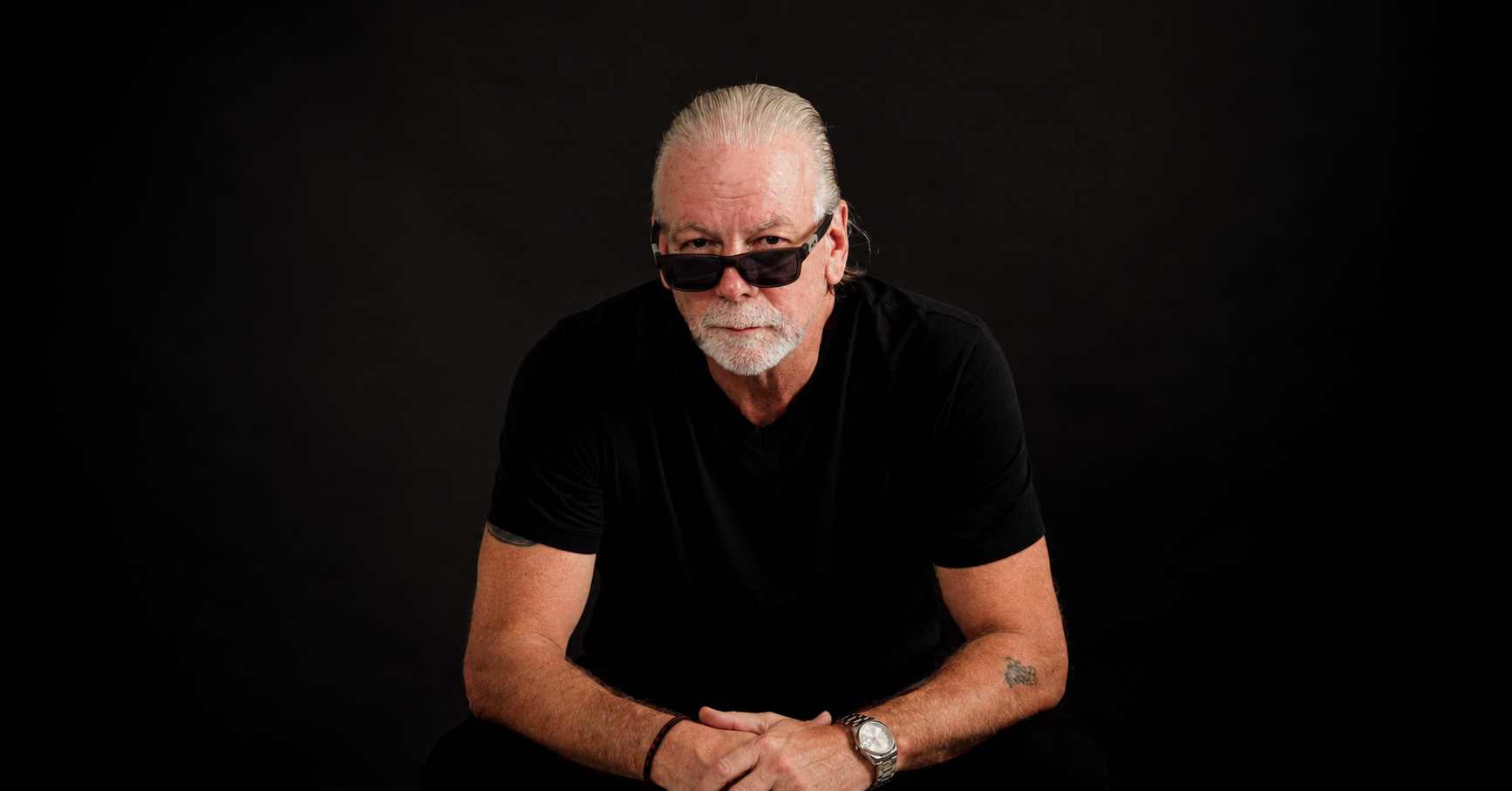
Why Facebook blackmail feels more personal than other scams is simple: the blackmailer can see the people and relationships that matter to you. I am Frank M. Ahearn, and I stop Facebook blackmail by taking over as you, controlling the threat, protecting your identity, and working to prevent exposure.
Many online scams feel random.
Facebook blackmail feels personal.
The predator may know your real name.
They can see your spouse.
Your children.
Your employer.
Your coworkers.
Your friends.
Your clients.
They may send screenshots of those profiles to prove they have found the people connected to your life.
The blackmailer is not only threatening to release private photos, videos, or conversations. They are showing you exactly who might receive them.
That creates a different level of fear.
Facebook Connects the Blackmailer to Your Real Life
Many social media platforms provide fragments of information.
Facebook can provide an entire personal network.
Years of family photographs, birthday messages, tagged posts, business pages, employment details, relationship updates, and public comments may connect nearly every important part of your life.
That is why Facebook is one of the most dangerous platforms for blackmail.
The blackmailer does not need to know everything about you.
They only need to find the person you are most afraid of losing.
A spouse.
A family member.
An employer.
A business partner.
Once the predator identifies that person, the threat becomes specific.
“Pay me or I send everything to your wife.”
“I found your boss.”
“I will message your entire family.”
“I will post the photos on your business page.”
The threat is no longer aimed at an anonymous audience.
It is aimed directly at your life.
The Blackmailer Wants an Emotional Reaction
Most Facebook blackmail cases are built around emotional pressure, not technical sophistication.
The predator wants urgency.
They want panic.
They want you reacting before you have time to think.
They may send countdowns.
They may create group messages containing your relatives.
They may show you a list of Facebook friends.
They may claim that everything is ready to be sent with one click.
The goal is to make exposure feel seconds away.
Once panic takes over, victims often make fast decisions:
- They pay immediately.
- They beg the blackmailer to stop.
- They reveal which relationship matters most.
- They provide more personal information.
- They make promises they cannot keep.
- They react angrily and escalate the communication.
Every emotional reaction gives the blackmailer information.
If you panic when they mention your spouse, they know the marriage is the pressure point.
If you panic when they show your company page, they know your career is the target.
If you immediately pay, they know the threat can produce money.
This is why Facebook blackmail can start quietly and become controlling so quickly.
Facebook Makes the Threat Look Larger
A blackmailer may possess private material, or they may exaggerate what they have.
They may claim they have downloaded your complete Facebook contact list.
They may say they have already contacted people.
They may show messages sitting unsent.
They may create fake accounts, altered screenshots, or group conversations to make the threat appear larger than it is.
One true detail can make every other claim feel believable.
The victim sees a real photograph of their spouse or employer and assumes the blackmailer has complete access to their life.
Sometimes they do have significant information.
Sometimes they have much less than they claim.
The problem is that panic makes every threat feel real.
That is why I focus on what the blackmailer can actually do, not only what they say they can do.
Paying Can Make Facebook Blackmail More Personal
A victim often believes the first payment will end the threat.
The blackmailer promises to delete the photos.
The victim pays.
Then another demand arrives.
Now the predator knows the victim is afraid, the secret has value, and money is available.
The next threat may become even more personal.
They may mention the victim’s wife by name.
They may identify the employer.
They may threaten to contact children, clients, or business associates.
Payment does not guarantee deletion.
It can confirm that the blackmailer has found the correct pressure point.
If you are facing a payment demand, stall.
Tell the blackmailer you need time to obtain the money. You are not refusing. You are creating time to regain control and find help.
My main Blackmail Help page explains why fear and payment can keep the demands alive.
I Take Over the Facebook Blackmailer
I do not coach you from the sidelines.
I take over as you.
The blackmailer is moved away from your contact and onto one of mine. They believe they are still communicating with you, but they are dealing with me.
I control the threat.
I stall the payment demands.
I manipulate what the blackmailer believes.
I protect your identity.
I work to prevent exposure.
My stall tactic is promise, break the promise, and promise again.
The blackmailer is told that the money is coming. When the payment day arrives, a believable problem creates another delay. A new promise is made, followed by another controlled delay.
Most blackmail is about money.
The predator may be aggressive, but they often continue waiting because they believe payment is still possible. That gives me time to control the communication and weaken their momentum.
You can read more about how I stop Facebook and other social media blackmail.
Facebook Blackmail Can Threaten a Marriage and Career
Facebook often connects a victim’s personal and professional worlds.
A family photograph reveals the marriage.
A public profile identifies the employer.
A business page reveals clients.
Tagged photographs identify friends and coworkers.
The blackmailer may threaten everything at once.
They know that a married person may fear exposure at home. An executive may fear exposure at work. A business owner may fear losing clients and reputation.
When a threat includes employment, the pressure can spread from Facebook to LinkedIn, company websites, and business email accounts. My blog about LinkedIn blackmail and workplace exposure explains why professional threats require immediate control.
If the threat involves an affair, online relationship, or secret personal life, my Relationship Blackmail page explains how I handle those cases.
Fear Is Part of the Blackmail
Facebook blackmail feels personal because the predator places familiar faces directly inside the threat.
But fear is not evidence that exposure is inevitable.
Fear is part of the attack.
The blackmailer wants you imagining the damage before anything happens. They need that fear to produce payment and compliance.
When fear takes over, clear thinking disappears.
That is where I step in.
I remove you from direct communication.
I take over as you.
I control the threat, protect your identity, prevent exposure, and work to disappear the blackmailer.
I handle every case personally.
No assistants.
No call center.
No case manager standing between you and me.
Frank M. Ahearn is a global privacy expert, blackmail fixer, and the New York Times bestselling author of How to Disappear. He works internationally with people facing Facebook blackmail, social media exposure, relationship threats, workplace blackmail, and private situations where exposure is not an option.