Your privacy is only as good as when you last looked.
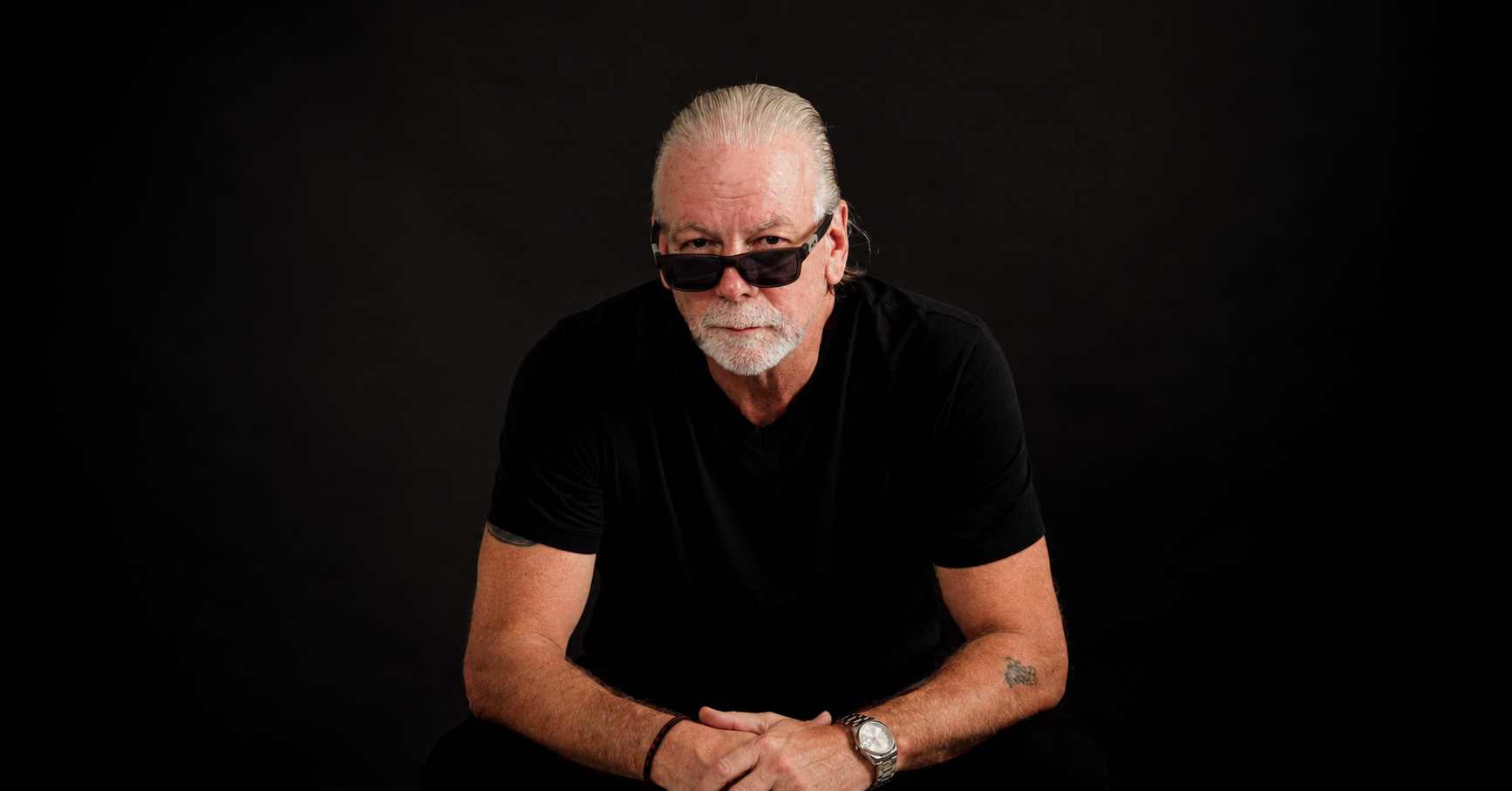
I am Frank M. Ahearn, a human privacy expert, former skip tracer, and author of How to Disappear. Information is a flowing river. It changes, updates, gets copied, and appears in places you may never expect.
What you searched about yourself yesterday may not be accurate today.
That is why I do not believe in relying completely on software, apps, or privacy programs to protect you.
You know you better than any program does.
Privacy Changes
Think about the most vulnerable part of your privacy.
Is it something that changes over time?
Does it update?
Is it public?
Can someone else add information about you without your knowledge?
Privacy is not static.
A new address appears.
A telephone number gets connected to your name.
A relative updates a social profile.
A business filing becomes public.
A delivery account gets changed.
A neighbor tells someone where you moved.
Information keeps moving.
That means privacy has to be reviewed, not simply set up once and forgotten.
My Daily Privacy Habit
One of my daily habits is simple.
I wake up, have my first coffee, and search my own information.
I want to know if anything has changed.
If something new appears, I ask:
Is this dangerous?
Is this a risk?
Can it connect me to something I do not want connected?
If the answer is yes, I create an action around it.
That is what human privacy means to me.
Not waiting for a program to tell you there is a problem.
Looking yourself.
Technology Does Not Remove the Human Predator
I call myself a human privacy expert because no matter how much technology you use, there is still the human predator.
That person may not attack the system.
They may go around it.
Something as simple as an old neighbor giving out your telephone number can create a privacy problem.
Or you use a mobile number tied to your identity to order food.
You may never think about what another person could learn from that account.
The point is not that one specific company is unsafe.
The point is that any account connected to your identity can become another place where information exists.
Finding someone who has disappeared is often limited only by a skip tracer’s imagination.
That Is How I Used to Think as a Skip Tracer
When I was skip tracing and came across someone difficult to find, I would sometimes put the case on the back burner.
I let it simmer.
Then I started asking different questions.
Did they forward a magazine subscription?
Were they waiting for a refund from a utility company?
Did they leave a forwarding address?
Did they have a shipping account?
Did they update the address on that account?
Where was the last package delivered?
The point was not always to look where everyone else was looking.
It was to think about the ordinary parts of a person’s life that might have changed after they moved.
Something is almost always somewhere.
Privacy Is More Than Hiding Information
People often think privacy means deleting something.
Removing a profile.
Changing a telephone number.
Closing an account.
Sometimes that matters.
But real privacy requires asking what happens next.
Does another source update?
Does an old account still contain the information?
Does someone else have access to it?
Did your new behavior create another connection?
Privacy is not only about what you remove.
It is about what appears after you remove it.
How to Disappear Requires Looking Back
The same thinking applies to disappearing.
You cannot simply make changes and assume the job is finished.
You have to look back.
Search.
Review.
Question.
Has anything reconnected you to the old identity?
Did an account update?
Did a person share something?
Did a new pattern expose something you thought was private?
Disappearing is not a one-time act.
It is maintenance.
When Did You Last Look at Your Privacy?
That is the question.
Not when did you buy a privacy tool.
Not when did you delete an account.
Not when did you change a password.
When did you last actually look?
Search yourself.
Look at what is public.
Look at what has changed.
Think like someone trying to find you.
Then decide whether anything needs attention.
Your privacy is only as good as when you last looked.
About Frank M. Ahearn
I am Frank M. Ahearn, a human privacy expert, former skip tracer, author, and disappearance strategist.
I began my career finding people through information, social engineering, and human behavior.
Later, I reversed that work.
Today, I help people think about extreme privacy, disappearing, identity separation, blackmail, and what happens when too much information becomes connected to one person.
Books
How to Disappear: AI War Edition
A book about privacy, behavioral patterns, digital starvation, and disappearing in a world built on prediction.
How to Disappear Journal
A journal designed to help you think through what you know, what you do not know, and what must change before disappearing.
I Was a Skip Tracer
A look at the years I spent finding people and the human thinking behind skip tracing.