The blackmailer sends a message Frank takes over. Another demand. Another threat to contact your wife, family, employer, or friends.
You are trying to find the right words while frightened of what one wrong answer might cause.
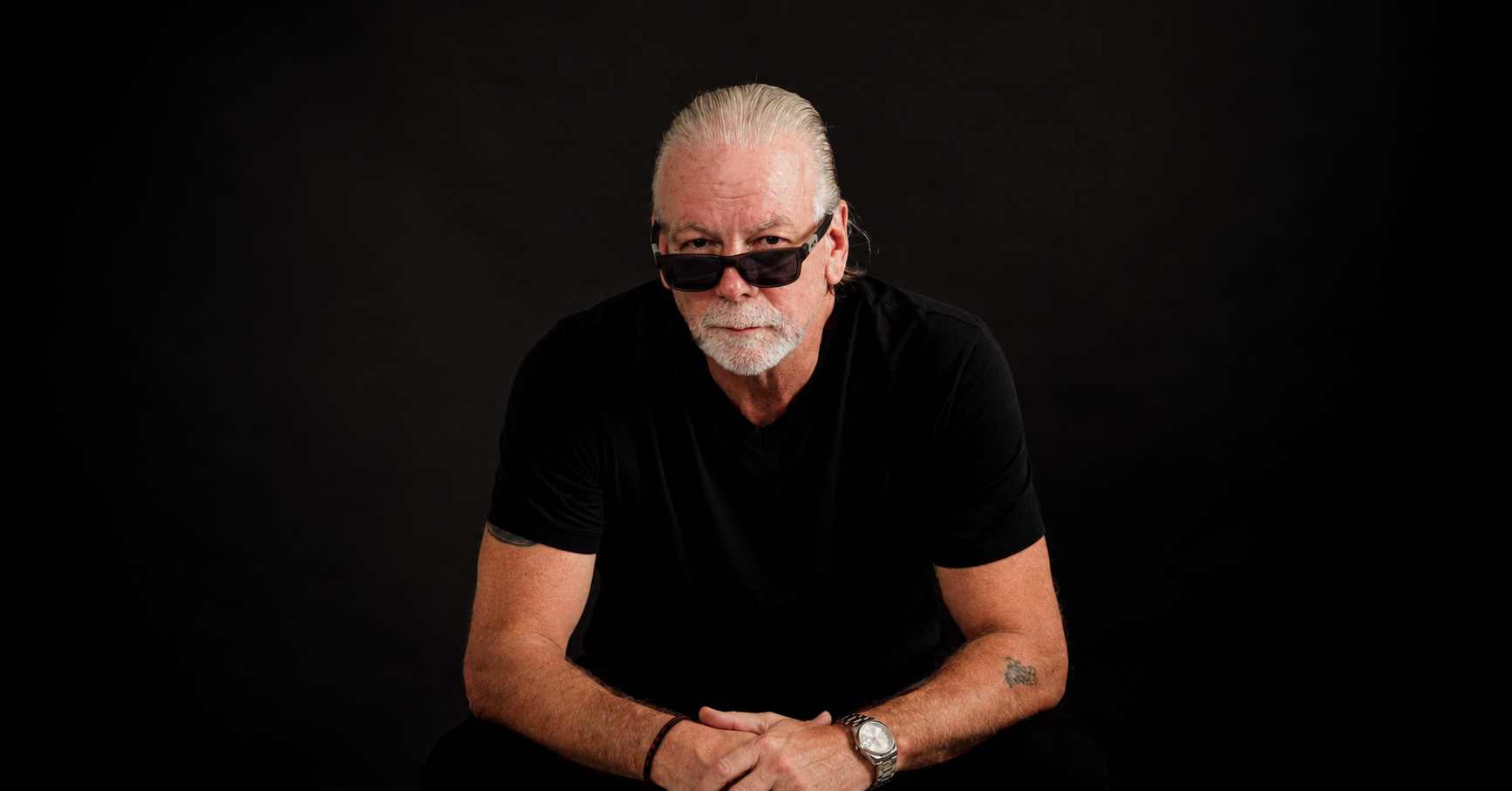
I am Frank M. Ahearn, The Blackmail Fixer. I take over the conversation so you can step away from it.
The blackmailer believes they are still talking to you. They are talking to me.
How I Take Over the Communication
When I accept a case, I work to move the blackmailer from your phone or account to a contact I control.
The reason for the move must fit your situation. Perhaps you can no longer use that mobile because it is a work phone or because other people can see it. I do not use the same explanation in every case.
In many cases, the blackmailer follows the conversation because they still believe they may get paid. Once the move is made, I pose as you and handle the messages myself.
You no longer have to wake up and face another threat. You can tell me what you need to protect, then let me deal with the person making the demands.
My Blackmail Help page explains the full takeover:
The First Job Is to Create Time
The blackmailer wants a payment now. I need time to understand what they have, what they know, and who they can reach.
That is why I stall the payment demand. I keep the possibility of payment in front of the blackmailer while delaying it. They may become aggressive. They may send more threats. I handle those messages and continue working the situation.
Stalling creates an opportunity; it is not a guarantee that the blackmailer will do nothing. It gives me room to assess the threat and work to prevent exposure while the person remains focused on the conversation with me.
If you have not contacted me yet and a payment deadline is approaching, tell the blackmailer you need a few days to borrow the money. Keep it short. Use that time to get help and make an informed decision.
I Look at What the Blackmailer Really Knows
A blackmailer may claim they know everything about you. They may send a screenshot of your spouse’s profile, name your employer, or show you a list of social media contacts.
I look beyond the claim.
Do they have the correct identity? Have they found the right spouse or employer? Can they contact those people? Have they already sent anything? What information have they failed to find?
Those gaps matter. When possible, I use blackmail disinformation to change what the person believes about your employment, spouse, identity, or circumstances. I also look at the online information that could lead them to people in your life.
I explain that part of my work here:
You Are in Good Hands With Me
I know how difficult it is to hand over a problem this personal. The blackmailer may have photographs, messages, or details you have never told anyone else. You may be afraid that even asking for help will make the situation worse.
You deal directly with me. I do not hand your private life to a call center or a team of strangers.
I began my career as a skip tracer in 1984. My job was to find people through addresses, businesses, relatives, telephone numbers, and the small details that connect one part of a life to another.
Later, I reversed that work. I became a disappearance and extreme privacy expert, helping people protect their identities and become difficult to find. I am also a public speaker and the New York Times bestselling author of How to Disappear.
As The Blackmail Fixer, I bring that privacy experience into the blackmail case. I face the person making the threat, protect the information they have not found, and work to prevent exposure.
You can read more about my background here:
My Blackmail Books
If you need to understand the threat while deciding what to do, I have written practical guides for victims:
Blackmail Survival Manual: 10 Rules Before You Pay or Panic
Grindr Blackmail Survival Manual
Ashley Madison Blackmail Survival Manual
Let Me Handle the Next Message
Tell me what the blackmailer has, who they are threatening to contact, whether you have paid, and when they expect to hear from you.
I will assess the threat and explain how I can take over. The next message from the blackmailer does not have to be yours to answer.
You step away. I face the blackmailer. I take over to prevent exposure.